
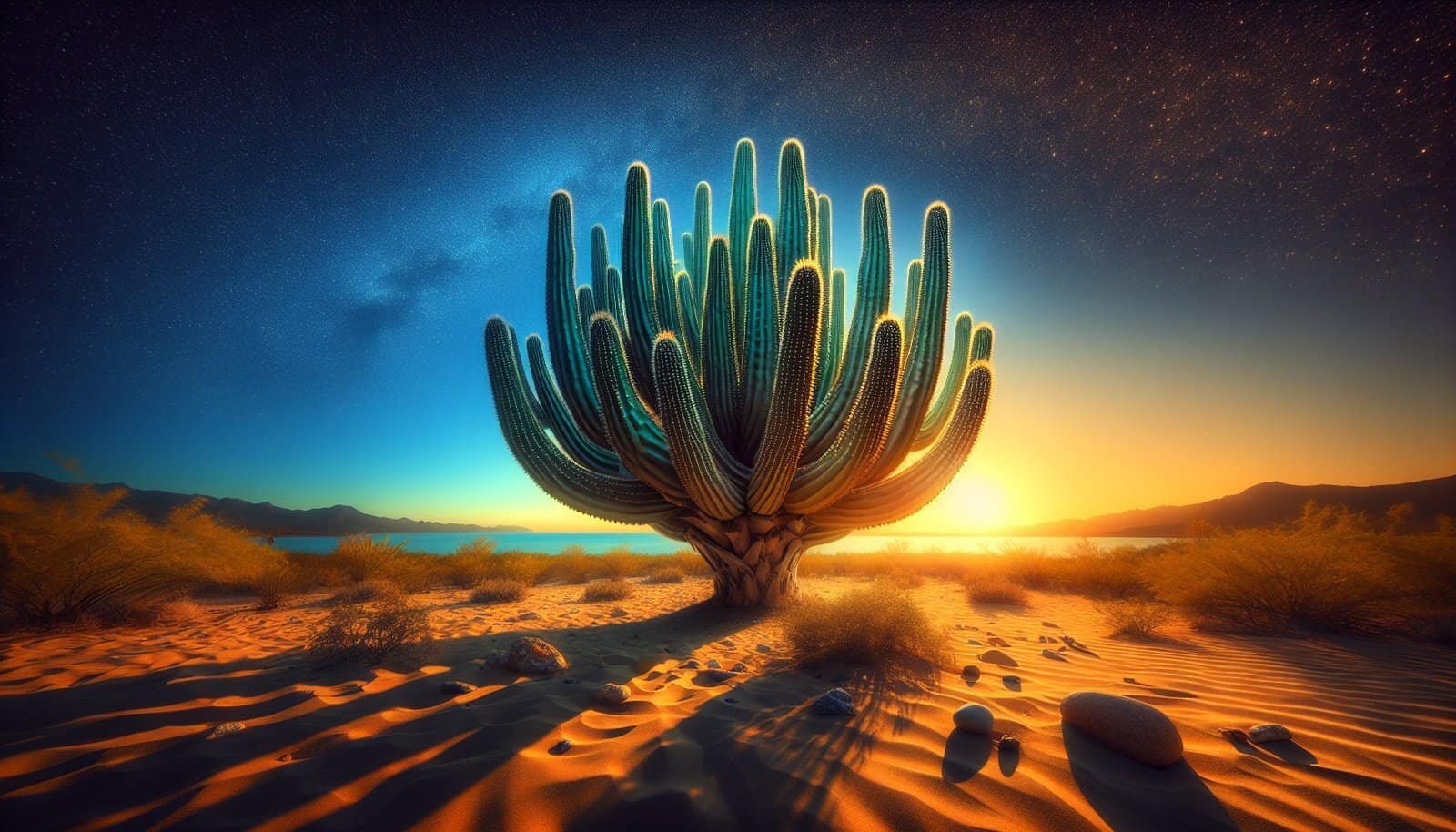
Have you ever considered how adding unique plants like the Nopal cactus could transform your garden or landscape? Incorporating this fascinating and resilient plant not only adds an exotic touch but also provides numerous benefits to your outdoor space.

Understanding Nopal Cactus
Before integrating Nopal cactus into your landscape, it’s beneficial to understand this plant’s unique characteristics. Known scientifically as Opuntia, the Nopal cactus is native to the Americas and is recognizable for its flat, rounded cladodes (commonly referred to as pads). These cacti thrive in dry, arid conditions and are known for their hardiness and low-maintenance needs.
The Versatile Nature of Nopal Cactus
Nopal cacti are versatile and adaptable, making them an ideal choice for landscaping, particularly in xeriscaping, which is a landscaping method that reduces or eliminates the need for irrigation. Their ability to withstand harsh conditions and minimal water requirements further boosts their appeal in areas prone to drought.
Benefits of Using Nopal Cactus in Landscaping
The Nopal cactus’s benefits extend beyond its visual appeal. It plays a significant role in soil conservation, prevents erosion, and provides a habitat for various wildlife. Additionally, it can act as a natural barrier or fence, deterring unwelcome visitors due to its spiny exterior.
Selecting the Right Nopal Species
To successfully incorporate Nopal cacti into your landscape, it’s essential to choose the right species that suit your specific needs and climate. With numerous species available, ranging from dwarf varieties to towering specimens, there is something for every garden enthusiast.
Popular Nopal Cactus Varieties
Here’s a table highlighting some popular Nopal cactus species and their characteristics:
| Species | Height | Features |
|---|---|---|
| Opuntia ficus-indica | Up to 16ft | Edible pads and fruits; excellent for hedges |
| Opuntia microdasys | 2-3ft | Compact size with charming yellow polka-dots |
| Opuntia humifusa | 1-2ft | Cold-hardy, suitable for northern climates |
| Opuntia engelmannii | 10-15ft | Tolerates poor soil; large, yellow flowers |
| Opuntia basilaris | 3ft | Decorative pink flowers; likes rocky soils |
Selecting a species depends on what you want to achieve with your landscaping — be it a bold statement piece or a subtle, decorative addition.
Planning Your Landscape with Nopal Cactus
Successful landscaping requires careful planning. Here’s how you can seamlessly integrate Nopal cacti into your garden environment.
Assessing Your Space
Consider your garden’s size and layout. Determine the appropriate spacing between each cactus, keeping in mind their growth patterns. Nopal cacti can spread significantly, so allowing ample room prevents overcrowding.
Positioning for Maximum Impact
Place taller varieties behind shorter plants to create depth in your landscape. Using Nopal cacti as focal points can add sophistication and serve as a dynamic backdrop against which other plants can shine.
Soil Preparation
Nopal cacti prefer well-drained soil enriched with sand or gravel. Enhancing soil aeration ensures your Nopal cactus roots do not sit in water, which is crucial for their health and growth.
Integrating Nopal Cactus with Other Plants
Nopal cactus pairs well with other drought-tolerant plants. Mixing textures and colors can create a visually compelling display.
Companion Plants for Nopal Cactus
Here are some plant pairings that complement the Nopal cactus:
| Plant | Features |
|---|---|
| Agave | Striking structural leaves; low water needs |
| Lavender | Fragrant blooms; attractive to pollinators |
| Yucca | Dramatic foliage; provides vertical interest |
| Sage | Aromatic; thrives alongside cacti |
| Echinacea | Colorful flowers; requires similar growing conditions |
Integrating these plants with Nopal cacti can enhance the aesthetics and biodiversity of your landscape.

Caring for Your Nopal Cactus
While Nopal cacti are relatively low-maintenance, understanding their care requirements ensures they thrive in your garden.
Watering Considerations
Nopal cacti need minimal watering once established. During extended dry periods, a deep watering every few weeks suffices. It’s vital to allow the soil to dry out completely between waterings.
Fertilizing
Fertilize your Nopal cactus once a year with a balanced cactus fertilizer. Over-fertilizing leads to excessive growth and reduced resilience to drought.
Pruning
Regular pruning helps maintain the shape and encourages the production of new growth. Removing damaged or diseased pads keeps your cactus healthy and reducing overcrowding promotes air circulation.
Troubleshooting Common Issues
Sometimes you might encounter challenges with your Nopal cactus. Here’s how to tackle some common problems:
Pest Management
Despite their armored appearance, Nopal cacti can fall victim to pests like scale insects and spider mites. Regular inspection and prompt treatment with insecticidal soap or horticultural oils keeps infestations under control.
Disease Prevention
Nopal cacti are susceptible to fungal diseases caused by overwatering. Ensuring proper drainage and avoiding water contact with the pads prevents these diseases from taking hold.
Dealing with Harsh Weather
In regions with cold winters, protect your Nopal cactus by covering them with burlap or frost cloth. Mulching the base also helps insulate and protect the roots from freezing.

Creative Uses of Nopal Cactus in Landscape Design
The unique structure and appealing form of Nopal cacti offer endless creative possibilities in your landscape.
Creating a Cactus Garden
Design a themed garden focused solely on cacti, incorporating various species to exhibit a range of shapes, sizes, and colors. Such gardens require minimal maintenance and are a haven for wildlife.
Using Nopal Cactus in Edible Landscapes
Beyond ornamental use, you can also harvest the pads and fruit of certain Nopal species. Integrate these edible aspects into your landscape as a sustainable food source.
Adding Artistic Touches
Incorporate Nopal cactus into rock gardens, where their striking silhouettes contrast attractively against stones and gravel. Adding sculptural elements enhances the visual intrigue of the arrangement.
Conclusion
Incorporating Nopal cactus into your landscaping can revolutionize your garden with its robust structure and striking form. Its resilience and adaptability make it an excellent choice for water-wise gardening, offering numerous ecological and aesthetic benefits. By carefully selecting species, planning your layout, and integrating other plants, you can create a vibrant and sustainable outdoor space that thrives amidst various challenges. Whether you use it as a stand-alone feature or combine it with other flora, the Nopal cactus is a versatile and rewarding addition to any landscape.
