

Have you ever found yourself marveling at the resilient beauty of your Nopal cactus, only to worry about how these remarkable plants handle harsh weather conditions like hail? Throughout various regions, especially those with unpredictable weather, hail can pose a significant threat to your beloved cacti. Not to worry, though; you can employ tactics and practices to safeguard them against potential damage, ensuring that they continue to thrive and beautify your space.
Understanding the Nopal Cactus
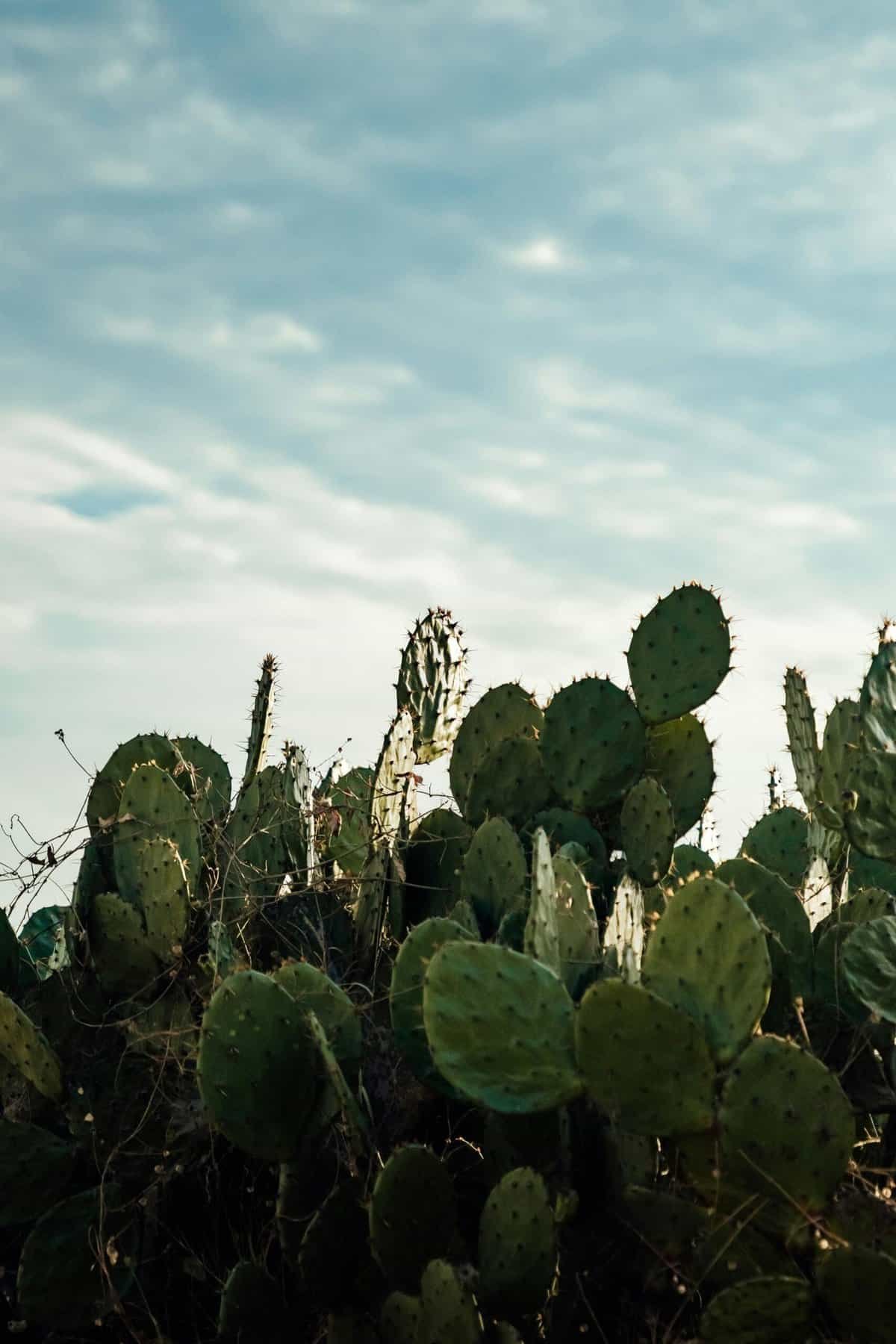
Before you arm yourself with protective strategies, let’s take a moment to appreciate and understand the Nopal cactus itself. This iconic plant, often known for its paddle-shaped pads, is a species native to Mexico and the southwestern United States. Known for its drought resistance and the edible pads called “nopales,” it’s quite popular in gardens that embrace xeriscaping or are located in arid regions. However, its thick, fleshy pads make it particularly vulnerable to hailstones, which can cause bruising or breaking.
The Vulnerability of Nopal Cactus
While incredibly hardy under dry conditions, Nopal cacti are particularly susceptible to physical trauma. Hail, with its force and unpredictability, can inflict damage ranging from minor bruises to severe pad loss. The scars caused by hail not only affect the aesthetic of the plant but can also expose it to diseases and decrease its overall vitality.

Identifying Hail Damage
Being able to recognize the signs of hail damage is crucial; it allows you to take prompt action to support the recovery of your cactus.
Visible Signs
The most apparent signs of hail damage are bruises and indentations on the pads, which can turn into scars over time. More severe damage might result in broken or entirely detached pads, leaving the inner parts of the cactus exposed.
Disease Risks
A less visible but equally concerning aspect of hail damage is the increased risk of diseases. Open wounds from hail exposure can invite fungal infections and rot, which, if not managed, can spread rapidly through the plant.
Preparing for Hail to Protect Your Nopal Cactus
Prevention is always better than a cure. Here are some proactive steps you can take to ready your Nopal cactus for potential hail storms.
Weather Forecast Monitoring
Keeping a close eye on weather forecasts in your area can give you a critical lead time for taking protective measures. Consider setting up severe weather alerts on your smartphone or subscribing to local weather service updates.
Temporary Structures
One of the most effective preventative measures is erecting a temporary structure over your cactus. Using materials such as shade cloth, tarps, or old bedsheets can provide a buffer against hail. It’s essential that these covers are supported by a framework, like stakes or poles, to prevent the material from resting directly on the plant.
Choosing the Right Location
If possible, consider the strategic placement of your cactus where natural barriers may exist. For example, fences, walls, or other plants can offer some natural defense against hail.

Post-Hail Recovery
Even with precautionary steps, sometimes nature throws a curveball that results in damage. Knowing how to respond effectively can help your cactus recover more quickly.
Pruning Damaged Areas
After a hail storm, assess the damage. Severely bruised or damaged pads that are beyond recovery should be pruned to prevent the spread of disease. Use clean, sharp tools to make precise cuts.
Monitoring for Disease
Keep a vigilant eye on your cactus following a hail storm. Look for any signs of rot or fungal infections. Treat open wounds with a fungicide and ensure that your plant is not overwatered, which could exacerbate these conditions.
Long-term Strategies for Hail Protection
While immediate actions are vital, long-term strategies can fortify your cactus against future occurrences.
Installing Protective Structures
For those living in hail-prone areas, investing in more permanent protective structures might be worth considering. A greenhouse or a gazebo-style cover can offer ongoing protection.
Growing Companion Plants
Certain companion plants can act as natural buffers, providing some shelter and reducing the impact of hail on your Nopal cactus. Consider planting taller, denser plants around your cactus that can absorb the initial impacts of hail.

Final Thoughts
Protecting your Nopal cactus from hail is all about combining preventative measures, quick responses, and long-term strategies. By staying informed about the weather, preparing protective measures in advance, and addressing damage promptly, you can ensure your cactus remains healthy and vibrant.
Remember, the joy of seeing your Nopal cactus thrive, even in adverse conditions, is well worth the effort. Embrace these practices with the understanding that with a bit of attention and care, your Nopal cactus will continue to be a resilient and stunning addition to your garden.