
Have you ever been captivated by the striking appearance of the Nopal cactus and wondered how you might propagate it to share its beauty with your surroundings? The art of grafting is a fascinating way to grow new cacti and can provide an effective method for propagating Nopal cactus. This peculiar technique not only ensures the healthy growth of the plant but also maintains the cactus’s unique characteristics. Let’s embark on a journey to understand how you can successfully propagate Nopal cactus using grafting techniques.
Understanding Nopal Cactus
The Nopal cactus, also known scientifically as Opuntia, is recognized for its broad, flat pads and often vibrant blooms. With origins tracing back to Mexico, this cactus has adapted to thrive in various environments, bringing a touch of desert elegance to gardens around the world. Beyond its ornamental beauty, the Nopal cactus is noted for its edibility and traditional medicinal uses, adding another layer of appeal for cactus enthusiasts.
The Unique Features of Nopal Cactus
Nopal cacti are characterized by their jointed, paddle-like stems, which are called cladodes or pads. These pads can vary in thickness and size, depending on the specific species. Some Nopal cacti produce vibrant, showy flowers in hues of yellow, red, or purple, followed by edible fruit known as prickly pears. Understanding these features is crucial to appreciating the plant’s propagation potential and challenges.
What is Grafting?
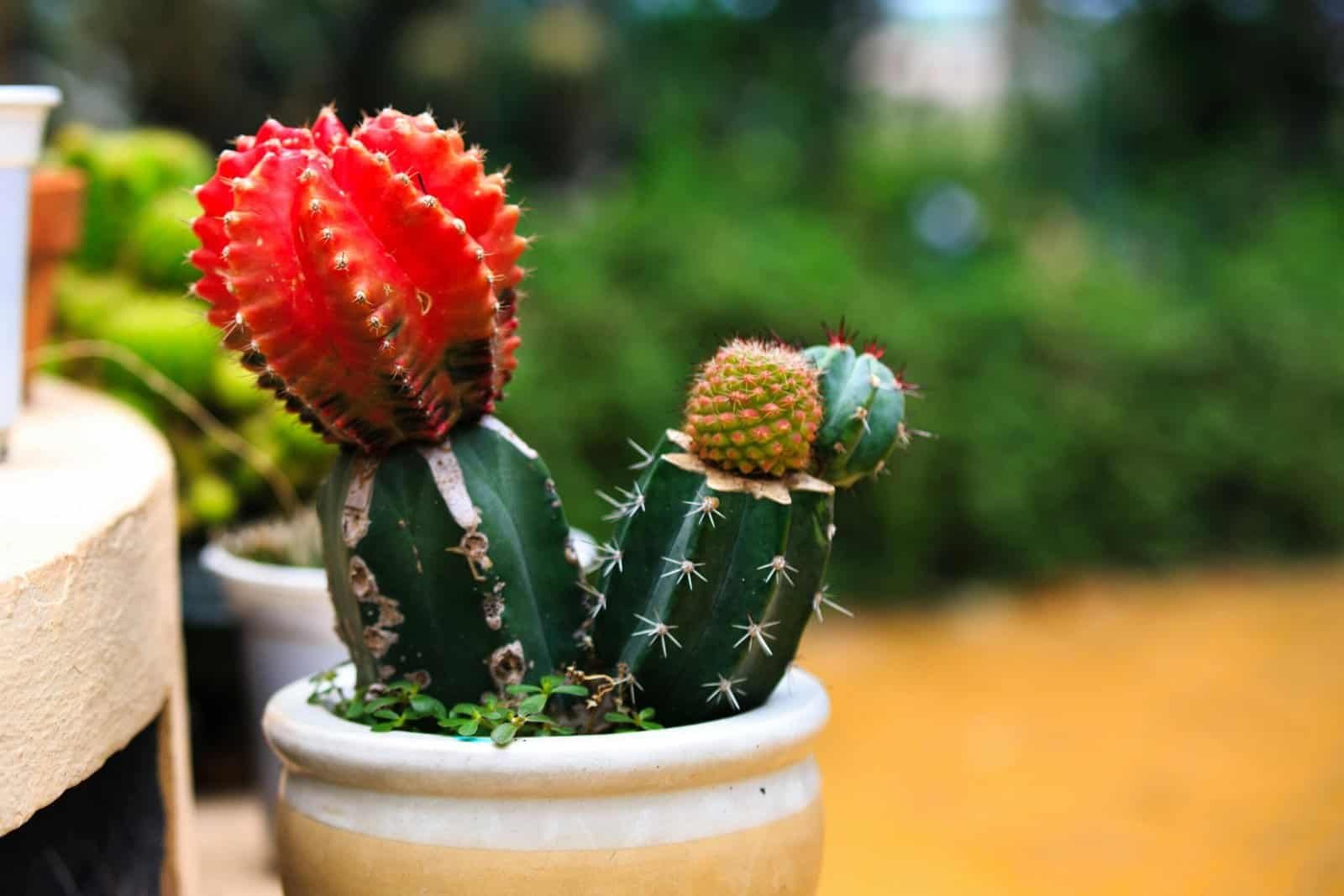
Grafting involves joining two plant parts—usually from similar species—so that they grow as a single plant. Typically, a scion (the part of the plant to be propagated) is attached to a rootstock (the base plant that supplies nutrients). This method can fortify plants, enhance growth, and even combine desirable traits from two different plants into one.
Why Grafting?
Grafting is a preferred method for propagating Nopal cactus due to its ability to promote healthier growth and ensure the transfer of specific genetic traits. It can also help fuse desirable traits of different cacti, such as combining a Nopal pad’s form with the robust structural properties of another cactus species.
Gathering Your Supplies
Before you begin grafting, it’s important to assemble all the necessary tools and materials. Proper preparation can help ensure the success of your grafting endeavors.
Essential Tools and Materials for Grafting
You’ll need several key items to start your grafting process. Here’s a list to guide you:
| Tools and Materials | Purpose |
|---|---|
| Sharp Knife or Scalpel | For making precise cuts on the plant tissue. |
| Rootstock | The base cactus that provides support and nutrients to the graft. |
| Scion | The Nopal cactus pad to be grafted onto the rootstock. |
| Rubber Bands or Grafting Clips | To hold the scion securely in place until it fuses with the rootstock. |
| Rubbing Alcohol | To sterilize your cutting tools and prevent infection. |
| Gloves | Protect your hands, especially when handling prickly cacti. |
Choosing the Right Scion and Rootstock
The compatibility between the scion and rootstock is essential for a successful graft. Selecting healthy, disease-free plants for both parts can greatly improve your chances of a successful union.
Selecting a Suitable Rootstock
Rootstock should be chosen based on its vigor and compatibility with the Nopal scion. A healthy rootstock ensures the steady supply of nutrients and supports quick healing at the graft junction. Rootstock options might include species like Hylocereus or Opuntia robusta, known for their resilience.
Picking the Ideal Scion
Your scion, the Nopal pad to be grafted, should be plump, free of damage or disease, and ideally sourced from a mature, flourishing plant. A healthy scion ensures better growth post-grafting and a higher likelihood of fusion with the rootstock.
Step-by-Step Guide to Grafting Nopal Cactus
Now for the exciting part—grafting your Nopal cactus. Follow these carefully laid out steps to improve the likelihood of success.
Step 1: Prepare the Tools
Ensure every tool and material is ready and in easy reach. Sterilize your knife or scalpel with rubbing alcohol to prevent any potential infection at the cutting sites.
Step 2: Make the Cut
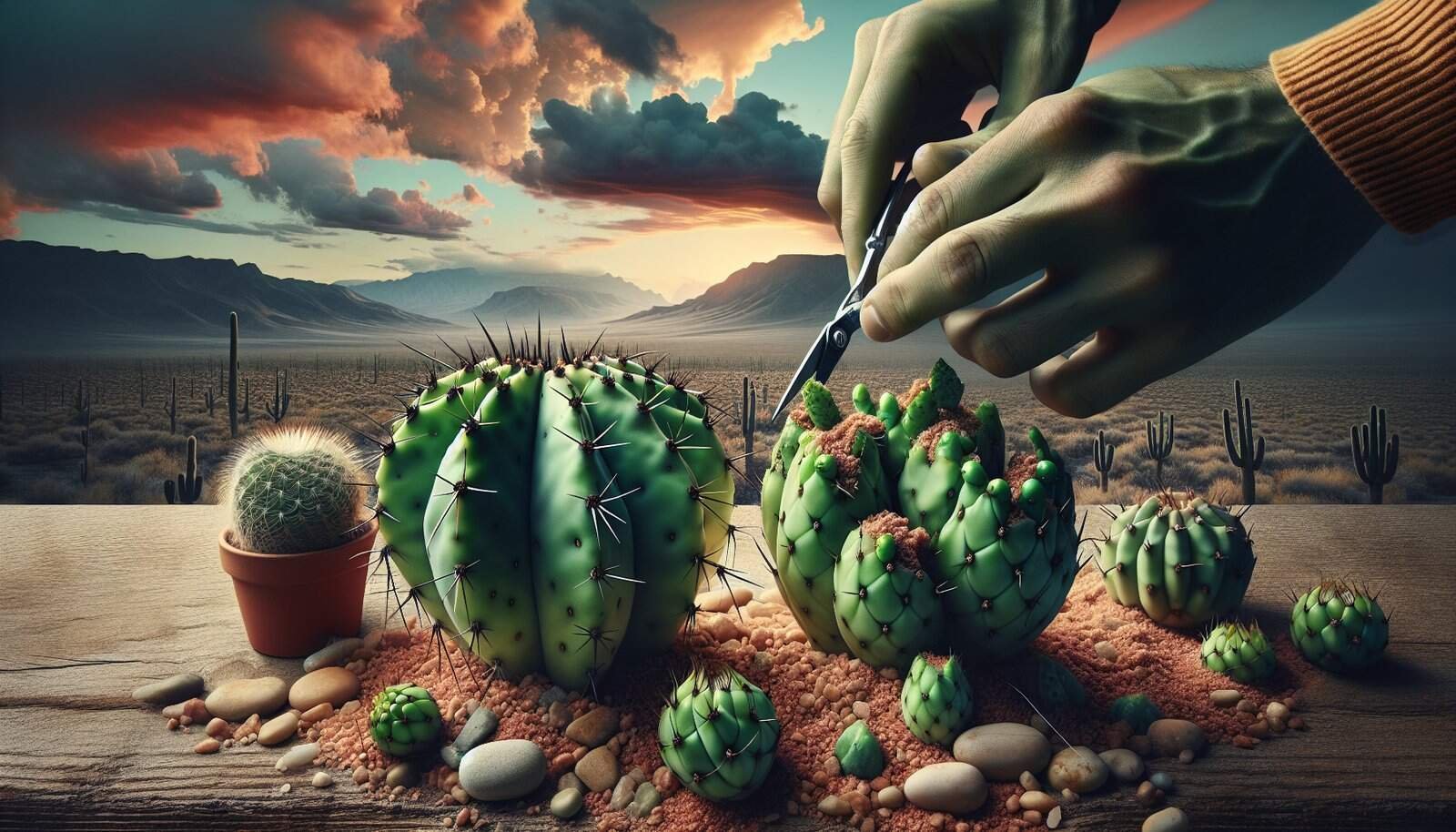
Using your sterilized knife, make a clean horizontal cut across the top of the rootstock, removing enough to create a smooth, flat surface. The goal is to expose enough cambium layer, which is essential for grafting success.
Step 3: Prepare the Scion
For your scion, make a clean cut at the base of the Nopal pad. Ensuring a flat and smooth surface will help facilitate the grafting process as the two cambium layers—those of the rootstock and scion—need to align closely for successful fusion.
Step 4: Join Scion and Rootstock
Carefully align the cut surfaces of the scion and rootstock, ensuring that their cambium layers make contact. This precise alignment is crucial for the vascular tissues to heal and integrate.
Step 5: Secure the Graft
Utilize rubber bands or grafting clips to hold the scion and rootstock together firmly. The pressure should be enough to keep them in place, supporting quick healing but not so tight that it damages the plant tissues.
Step 6: Create a Healing Environment
Place the newly grafted cactus in a warm, bright location, away from direct sunlight, which can exacerbate stress. Providing consistent warmth and diffused light can facilitate the healing and fusing process.
Caring for Your Grafted Cactus
After grafting, proper care is vital for the new plant’s survival and integration. Understanding the specific needs of a grafted cactus can ensure it grows robustly and healthily.
Post-Graft Care Essentials
It’s important to maintain optimal care to enhance graft success:
- Watering: Refrain from watering it immediately post-grafting. Resume normal care—allowing the soil to dry out between waterings—once the scion appears set and begins to grow.
- Temperature: Keep the cactus in temperatures ranging between 65°F and 75°F for optimal health.
- Light: Bright, indirect light is ideal. Avoid direct sunlight as it might cause overheating or scorch the grafted parts.
Monitoring the Graft
Regular inspections can help catch potential issues early. Look for signs of healthy growth, such as slight swelling or emerging new shoots. If you observe any wilting or color changes, adjust care practices, or seek advice from experienced cactus enthusiasts or plant care guides.
Common Challenges and Solutions in Grafting
While grafting can produce tremendous results, it comes with its challenges. However, with some insight into potential problems and solutions, you can mitigate these issues effectively.
Problem: Graft Failure
At times, the graft may not succeed. This can result due to poor alignment of the cambium layers or infection. Prevent this by ensuring precise cuts and sterilization.
Problem: Scion Wilt
Wilt can signal that the scion isn’t receiving enough nutrients. Ensuring a tight bond between scion and rootstock can alleviate this issue, as can adjusting environmental factors like light and temperature.
Solution: Testing Techniques
Experiment with different cactus species as rootstocks to find a compatible match. Some rootstocks may stimulate more robust growth than others, improving your grafting success rate.
Expanding Your Collection
Once you’re comfortable with grafting Nopal, you can expand your cactus collection by experimenting with different grafting techniques and other cactus species. This can bring a unique diversity and complexity to your gardening endeavors.
Hybridization Potential
The ability to graft opens up the possibility of creating hybrids. Combining different species could result in unique blooms, form, or resilience, adding an exciting layer to your gardening ventures.
Sharing and Learning
Engage with cactus communities either locally or online to share your experiences and glean new insights. The knowledge exchange can inspire more innovative approaches and solutions to challenges you may encounter.
Final Thoughts
Grafting is an engaging, rewarding process that not only allows you to create new plants but also fosters a deeper connection with and understanding of their unique biology. Once you’ve successfully grafted your first Nopal cactus, the possibilities of experimenting further are nearly endless. Whether for personal enjoyment or to share with fellow enthusiasts, mastering the art of Nopal cactus propagation can be an incredibly fulfilling journey.
Remember, patience and observation are key. Don’t be discouraged by initial setbacks; each attempt is a learning opportunity. Embrace the challenge, enjoy the process, and let your garden be a testament to your commitment to growth and natural beauty.