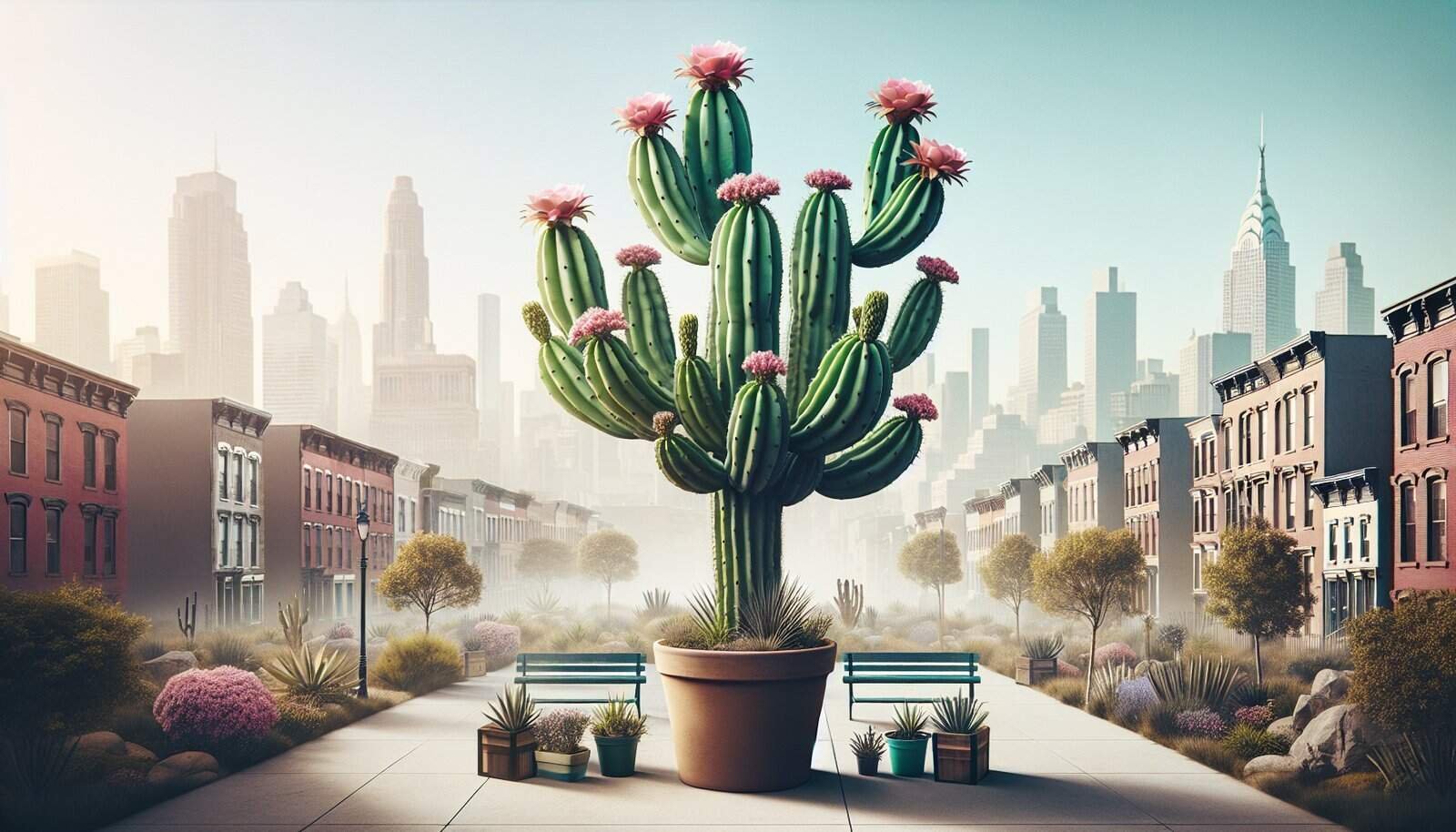
Have you ever thought about incorporating a true desert gem, the Nopal cactus, into your urban garden? If you’re seeking a thriving and unique addition to your urban oasis, managing the growth of Nopal cactus can be a gratifying endeavor. This distinctive plant, also known scientifically as Opuntia, not only adds aesthetic value to your garden but is also known for its resilience and range of uses.

Understanding the Nopal Cactus
What Is a Nopal Cactus?
Nopal cactus is a type of prickly pear cactus that belongs to the genus Opuntia. Renowned for its paddle-shaped pads and vibrant flowers, the Nopal cactus isn’t just a beauty to behold; it’s also edible and used in a variety of culinary dishes. Known for being drought-resistant, it thrives in places with minimal water, which makes it an ideal candidate for urban settings constrained by environmental conditions.
Benefits of Nopal Cactus
The Nopal cactus brings multiple benefits to urban gardens, beyond its striking appearance. This plant is celebrated for its nutritional value, offering benefits such as aiding digestion and potentially lowering blood sugar when consumed. Moreover, Nopal cactus serves as an excellent ground cover due to its dense growth, preventing erosion and enhancing soil quality with its fallen organic matter.
Selecting the Right Variety for Urban Gardens
Choosing the Ideal Species
When selecting a Nopal cactus for your garden, it’s crucial to choose a variety that suits your regional climate and garden space. Some popular varieties include Opuntia ficus-indica, noted for its large pads and sweet fruit, and Opuntia microdasys, which showcases smaller, spineless pads.
Factors to Consider
Consider factors such as climate, sunlight exposure, garden size, and personal preference. Each species varies in size and shape; hence, understanding these particular traits helps ensure your chosen cactus will adapt well to your specific urban garden conditions.
Planting Nopal Cactus
Preparing the Soil
Before planting your Nopal cactus, it’s essential to prepare the soil correctly. The ideal soil for a Nopal cactus is well-draining. You can achieve this by mixing equal parts of sand, potting soil, and perlite. This mixture prevents water accumulation around the roots, which can lead to rot.
Planting Guide
When planting your Nopal cactus, choose a location with ample sunlight—preferably an area that receives about six to eight hours of sunlight daily. Dig a shallow hole slightly wider than the base of the cactus. Plant the Nopal upright, ensuring the base is level with the surrounding soil. Gently firm the soil around the base to provide support as the cactus roots.
Watering and Fertilization
Watering Routine
Nopal cacti are adapted to arid environments, so they require minimal watering. During the growing season, a monthly watering routine is sufficient. Ensure the soil is thoroughly dry between waterings to mimic the cactus’s natural habitat.
| Season | Watering Frequency |
|---|---|
| Spring and Summer | Once every 2-3 weeks |
| Fall | Once a month |
| Winter | Minimal to none |
Fertilizing Needs
Nopal cacti do not demand frequent fertilization. During the spring, applying a balanced 10-10-10 fertilizer once will support growth. Avoid heavy fertilization as it can harm the cactus rather than help it.
Pruning and Maintenance
Pruning Techniques
Pruning ensures that your Nopal cactus maintains its shape and size, especially in confined urban spaces. Use clean, sharp pruners to remove damaged or diseased pads. Regularly pruning excess pads will also help manage the plant’s growth and prevent overcrowding.
Handling Thorns
When maintaining your cactus, it’s vital to protect yourself from its sharp spines. Using thick gloves and long sleeves not only guards against potential injuries but also enables you to handle the cactus more efficiently.
Pest and Disease Management
Identifying Common Pests
While generally pest-resistant, Nopal cacti can occasionally fall victim to scale insects and mealybugs. These pests can be managed with insecticidal soap or neem oil, which are safe options to keep your plant pest-free.
Recognizing Diseases
The most common disease affecting Nopal cacti is root rot, often due to overwatering. Ensure proper drainage and observe correct watering schedules to prevent this issue. If your cactus shows signs of rot, removing the affected areas promptly can help salvage the plant.

Harvesting and Using Nopal Cactus
Harvesting Pads
To harvest pads for culinary uses, choose younger pads, as they are more tender. With a sharp knife, cut pads at the base during the morning when pads are full of moisture for the best results.
Culinary Uses
Nopal cactus pads can be prepared in a variety of ways. Common in Mexican cuisine, they can be grilled, boiled, or used raw in salads. Their tart yet subtle flavor makes them a versatile ingredient in numerous dishes.
Sustainability and Environmental Considerations
Urban Biodiversity
Incorporating a Nopal cactus into your garden can contribute to urban biodiversity. This plant supports a range of pollinators, providing nectar and habitat. Such biodiversity is vital for maintaining a balanced urban ecosystem.
Reducing Water Usage
Integrating a Nopal cactus aligns with sustainable landscaping practices as it reduces water consumption. Its low water needs make it an environmentally friendly choice for urban gardeners committed to conservation.
Common Challenges and Troubleshooting
Dealing with Limited Space
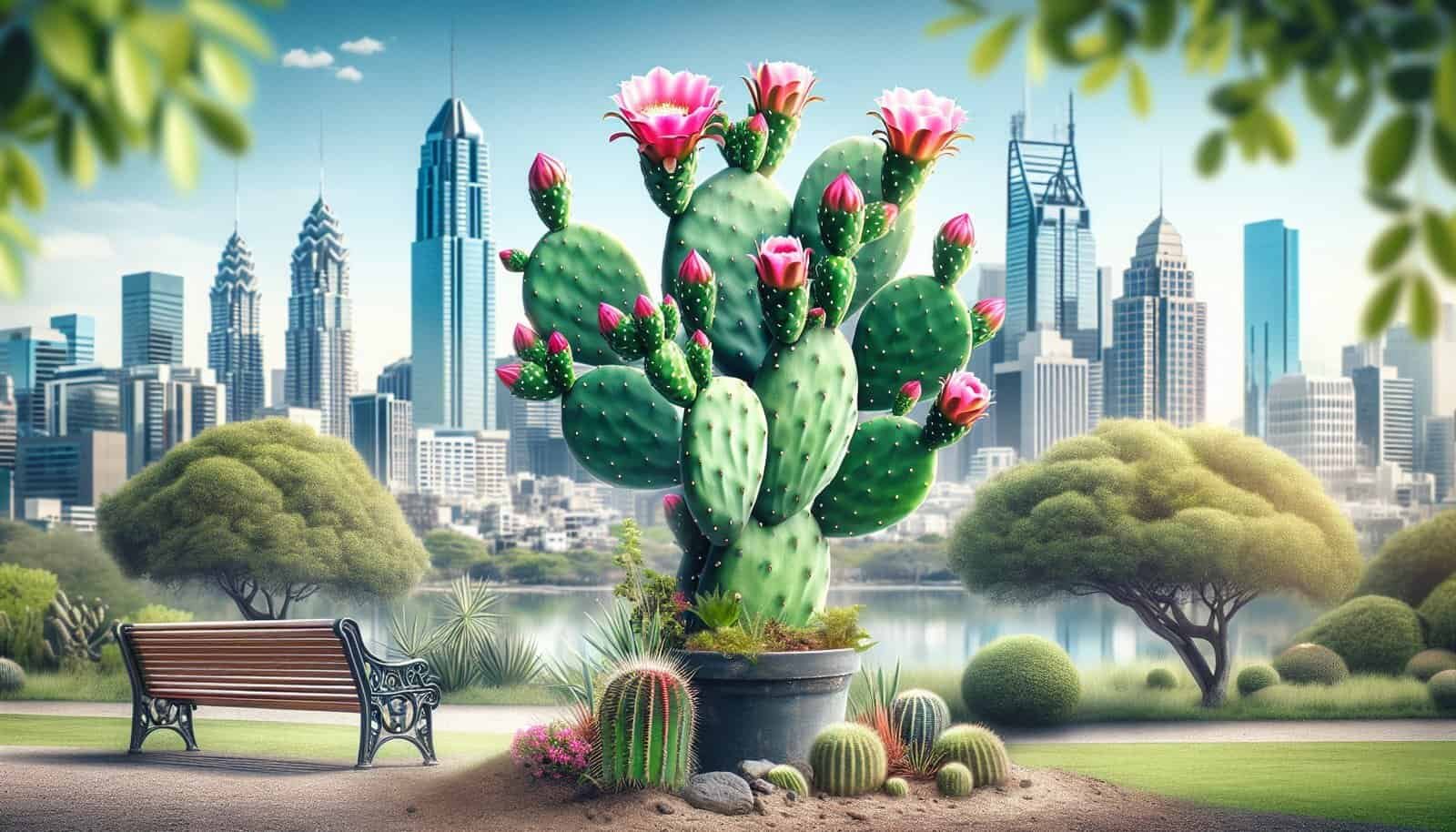
Finding the perfect balance between aesthetic appeal and practical growth can be a challenge with limited space. Using containers can be a practical solution, enabling you to control size and prevent your Nopal cactus from overtaking other plants in your garden.
Overcoming Environmental Factors
Urban environments can have unique challenges, such as air pollution and limited sunlight. Ensure your cactus is planted in the sunniest possible spot and consider using protective coverings if you live in an area with high pollution levels.
Conclusion
Embracing the charm and resilience of the Nopal cactus in your urban garden offers a unique horticultural experience. By understanding its needs and characteristics, you can enjoy its aesthetic and practical benefits. As a sustainable and low-maintenance option, managing the growth of Nopal cactus can transform your garden into an urban sanctuary, adding both beauty and purpose. Whether for its ornamental value or its delightful culinary uses, the Nopal cactus is an exceptional choice that blends seamlessly into the dynamic fabric of urban living.