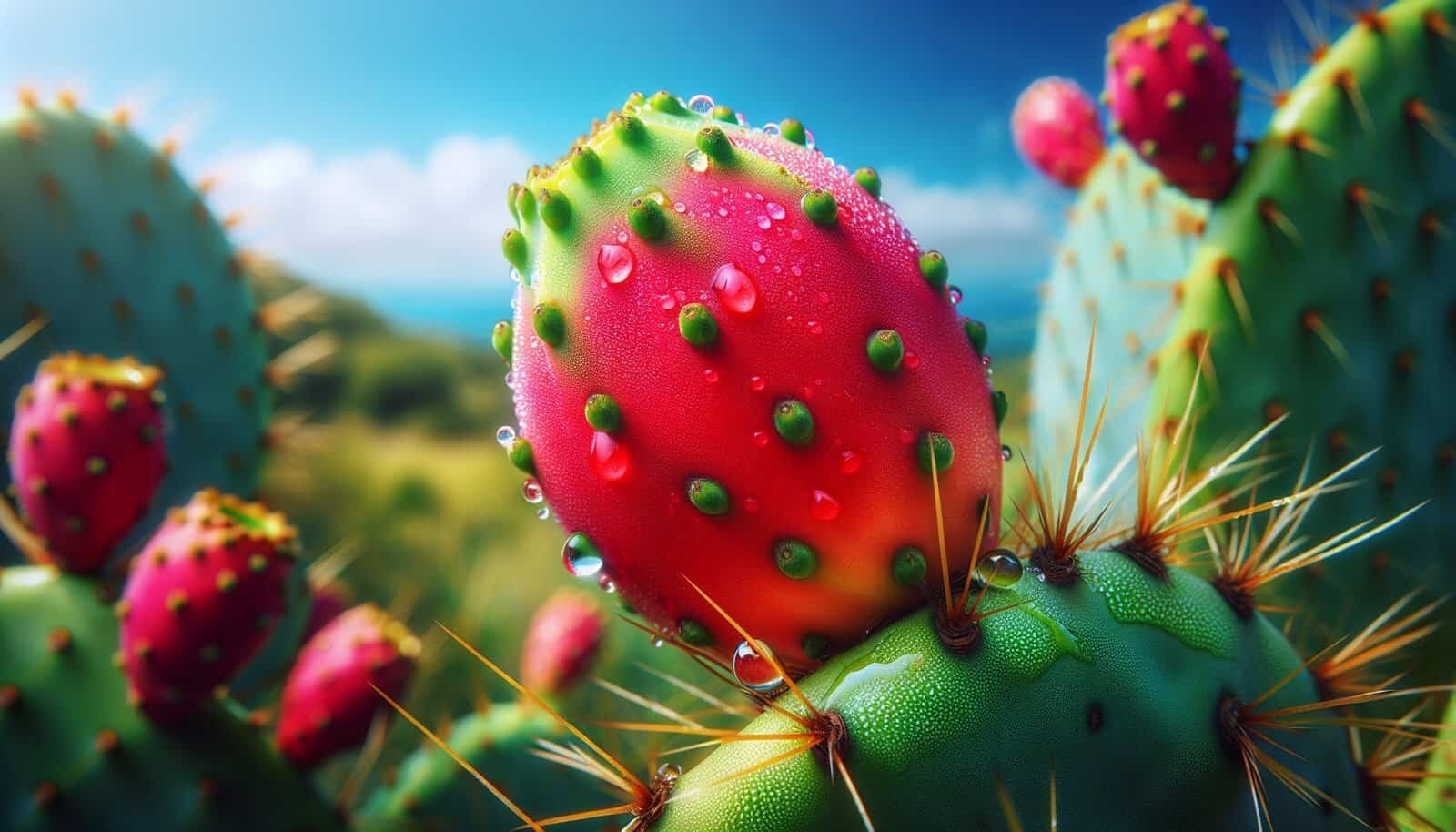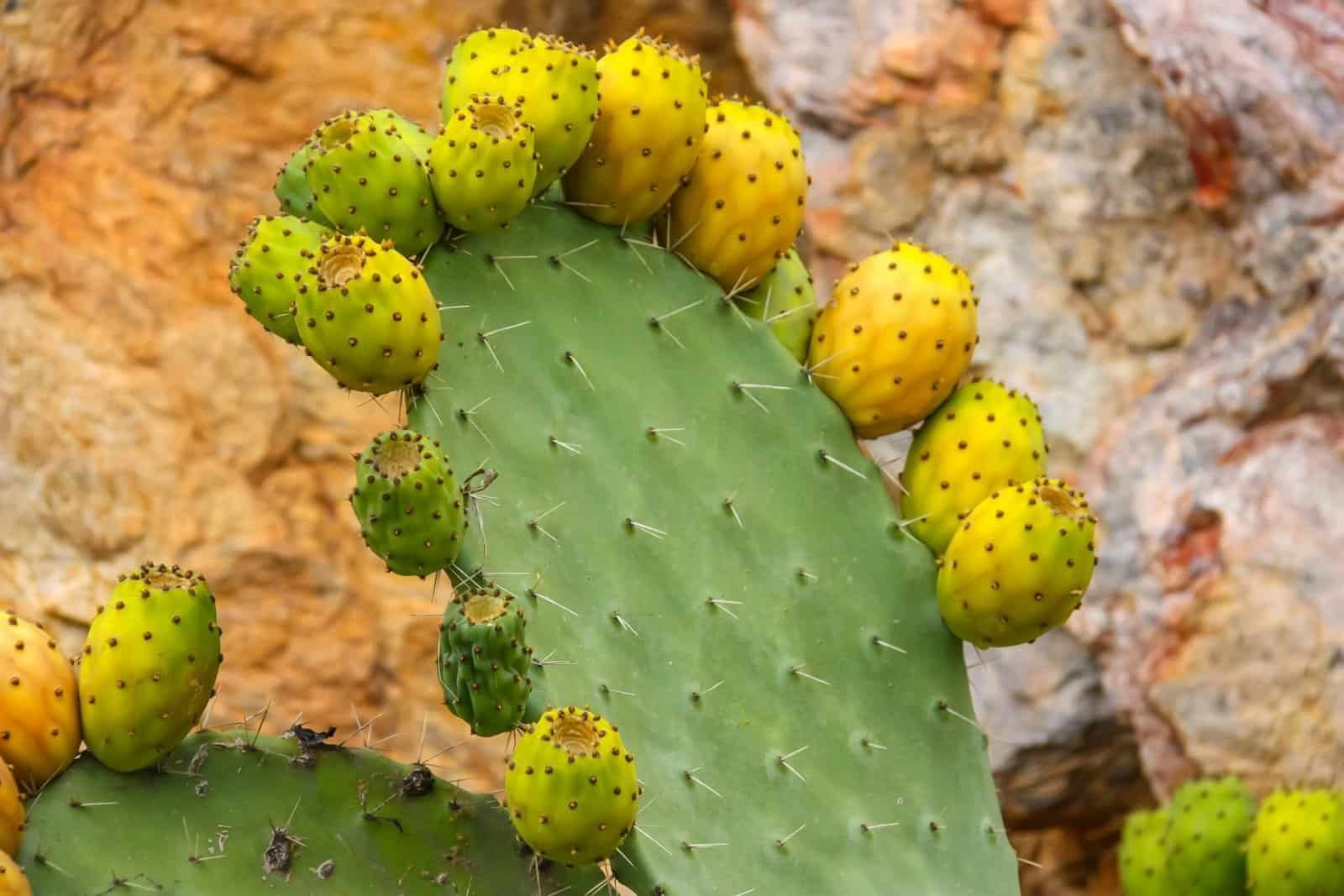
Have you ever wondered how you could enhance the sweetness of Nopal cactus fruit, often known as prickly pear? This unique fruit, cultivated in many parts of the world, is loved for its vibrant colors and distinctive taste. However, sometimes its natural sweetness can vary, leaving you craving more of that delightful sugary flavor. Let’s explore various ways to coax out that sweetness, making your Nopal cactus fruits not only nutritious but also irresistibly tasty.
Understanding the Nopal Cactus Fruit
Before we dive into methods of improving sweetness, it’s important to understand what Nopal cactus fruits are and what impacts their flavor. Nopal cactus, also known as prickly pear, is a genus of flowering plants in the cactus family, native to the Americas. These fruits are not only visually striking but are also packed full of nutritional benefits.
Nutritional Profile
Nopal cactus fruits are known for their rich content of antioxidants, vitamins, and minerals. They’re particularly known for vitamin C, magnesium, and the fibrous pectin content. This nutritious profile makes them a healthy addition to any diet, providing benefits ranging from improved digestion to better immune function.
Factors Influencing Sweetness
Several factors can influence the sweetness of Nopal cactus fruit. These include:
Genetic Variation: Different species and even different plants within the same species can yield fruits with varying levels of sweetness.
Growing Conditions: Soil quality, water availability, and climate all play a crucial role in the development of sugars within the fruit.
Ripeness: The level of ripeness when the fruit is picked significantly impacts its sweetness. Fully ripened fruits tend to be the sweetest.

Methods to Naturally Enhance Sweetness
Improving the sweetness of Nopal cactus fruits can often be achieved through natural methods, focusing on cultivation and harvesting strategies that enhance sugar development.
Select the Right Variety
One of the most effective ways to ensure sweet Nopal cactus fruits is to start with the right variety. There are many cultivars available, each with its unique flavor profile. When looking for a sweeter profile, opt for varieties known for their sweetness. Research local nurseries or agricultural extensions that might have recommendations suited to your local climate and soil conditions.
Optimize Growing Conditions
Sweetness in fruits is often a product of healthy growth conditions. Here’s how you can create an optimal growing environment:
Soil Quality
The soil’s nutrient content and pH level can have a significant impact on the fruit’s sugar content. Ensure your soil is well-draining and rich in organic matter.
| Soil Condition | Effect on Sweetness |
|---|---|
| Well-draining | Prevents root rot, promotes healthy growth |
| Rich in Nutrients | Supports robust fruit development |
Consider amending your soil with organic compost or well-rotted manure to boost its fertility.
Watering Practices
Consistent and appropriate watering is crucial. While Nopal cacti are drought-resistant, regular watering during the fruit development phase can enhance the accumulation of sugars in the fruit. However, avoid overwatering as it can lead to less flavorful and watery fruits.
Timing of Harvest
Harvesting at the right time is critical for enhancing the sweetness of prickly pear fruits. Fruits allowed to ripen fully on the plant will naturally be sweeter. Look for changes in the fruit’s color, usually a deeper hue, and ensure the fruit has a slight give when gently squeezed to determine its ripeness level.
Post-Harvest Techniques
Post-harvest strategies can also play a role in improving the perceived sweetness of the Nopal cactus fruit.
Ethylene Treatment
Just like other fruits, Nopal cactus fruits can benefit from ethylene treatment. Ethylene is a plant hormone that encourages ripening. Placing the fruits in a paper bag with ripe bananas or apples, which emit ethylene, can help further ripen the fruits and enhance their sweetness.
Sun Exposure
Allowing the harvested fruits time in the sun before consumption can also aid in enhancing sweetness. The warmth helps sugars to fully develop, making each bite more pleasurable.

Culinary Techniques to Enhance Sweetness
In scenarios where the natural sweetness is still not satisfactory, culinary techniques can come in handy to enhance the taste.
Pairing with Other Ingredients
Combining the fruit with naturally sweet and complementary ingredients can enhance its perceived sweetness. Consider pairing with:
- Natural sweeteners such as honey or agave syrup
- Sweet, complimentary fruits like mango or papaya
Cooking Methods
Cooking the fruit can also help to concentrate its natural sugars. Methods such as roasting or grilling can intensify the sweetness, as the heat helps break down complex sugars into simpler, sweeter forms.
Fermentation
Fermenting the Nopal cactus fruit is another method to enhance its sweetness while adding unique flavors. The fermentation process involves yeast and bacteria, which can bring out subtle sweet nuances and complexity. Fermented prickly pear beverages are gaining popularity for this reason alone.
Knowing When to Use Additional Sweeteners
If natural and culinary methods don’t suffice, using additional sweeteners can be an option. However, it’s essential to choose wisely to align with nutritional goals. Consider these options:
| Sweetener Type | Benefits |
|---|---|
| Honey | Natural source, offers antioxidant benefits |
| Agave Syrup | Lower glycemic index, mild flavor |
| Stevia | Zero-calorie option, plant-derived |
Be mindful of the quantity used to avoid overshadowing the fruit’s intrinsic flavors.
Conclusion: Enjoying the Sweet Nopal
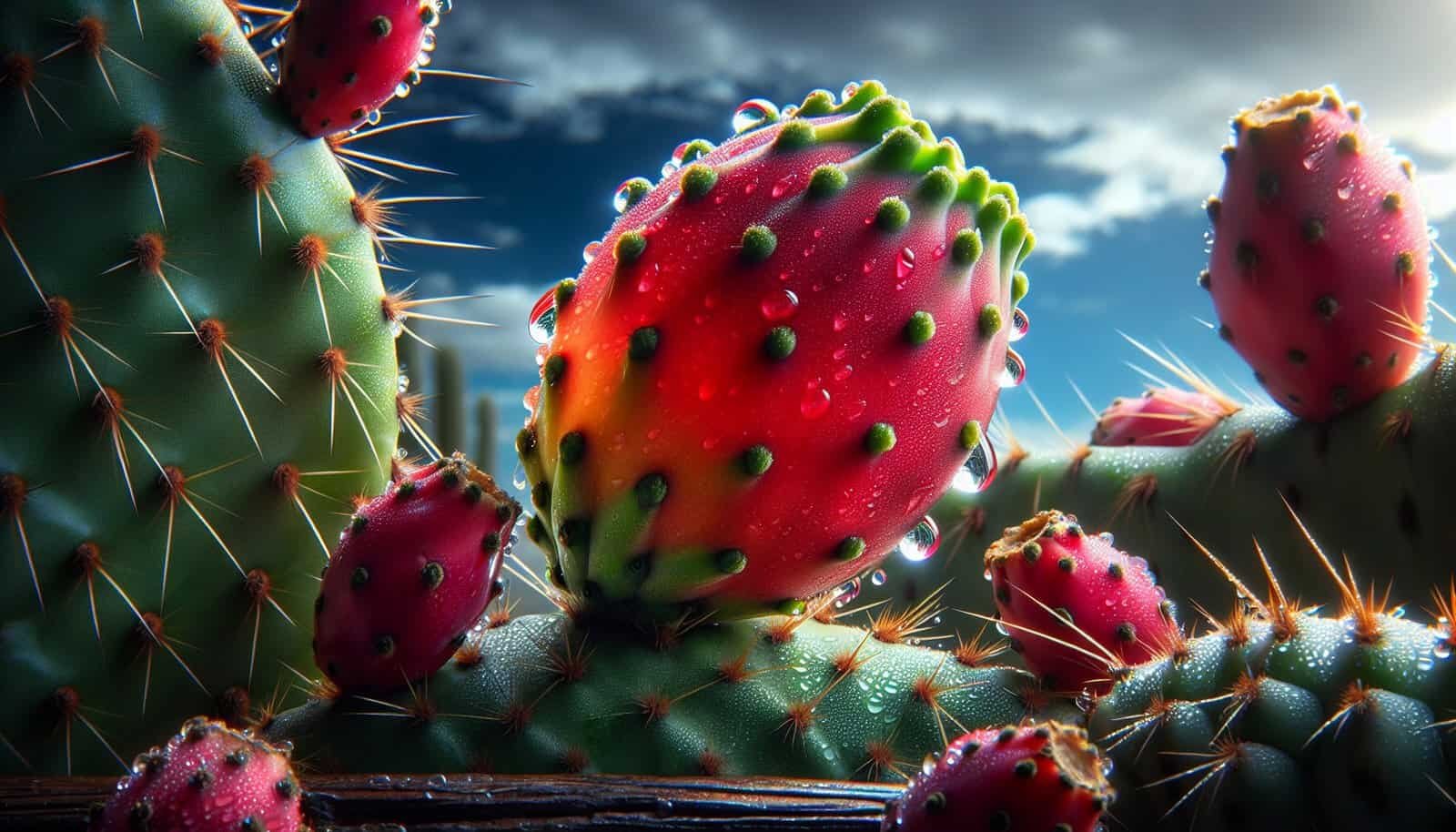
With these practical insights and techniques, you’ll be well-equipped to enjoy Nopal cactus fruits at their sweetest potential. Cultivating with the right practices, choosing suitable culinary methods, and understanding post-harvest strategies are keys to unlocking and enhancing their natural sweetness. As you transform this distinctive fruit into a sugar-kissed delight, you’ll not only satisfy your cravings but also appreciate the art and science behind its cultivation and preparation.