
Have you ever wondered how you can grow Nopal cactus with minimal care yet still enjoy its numerous benefits? Growing Nopal cactus is not only a rewarding venture but also an easy way to bring a touch of nature into your home or garden, especially if you’re keen on a low-maintenance plant that can thrive with minimal attention. Let’s embark on this journey to learn how you can cultivate this resilient plant with ease.
What Is Nopal Cactus?
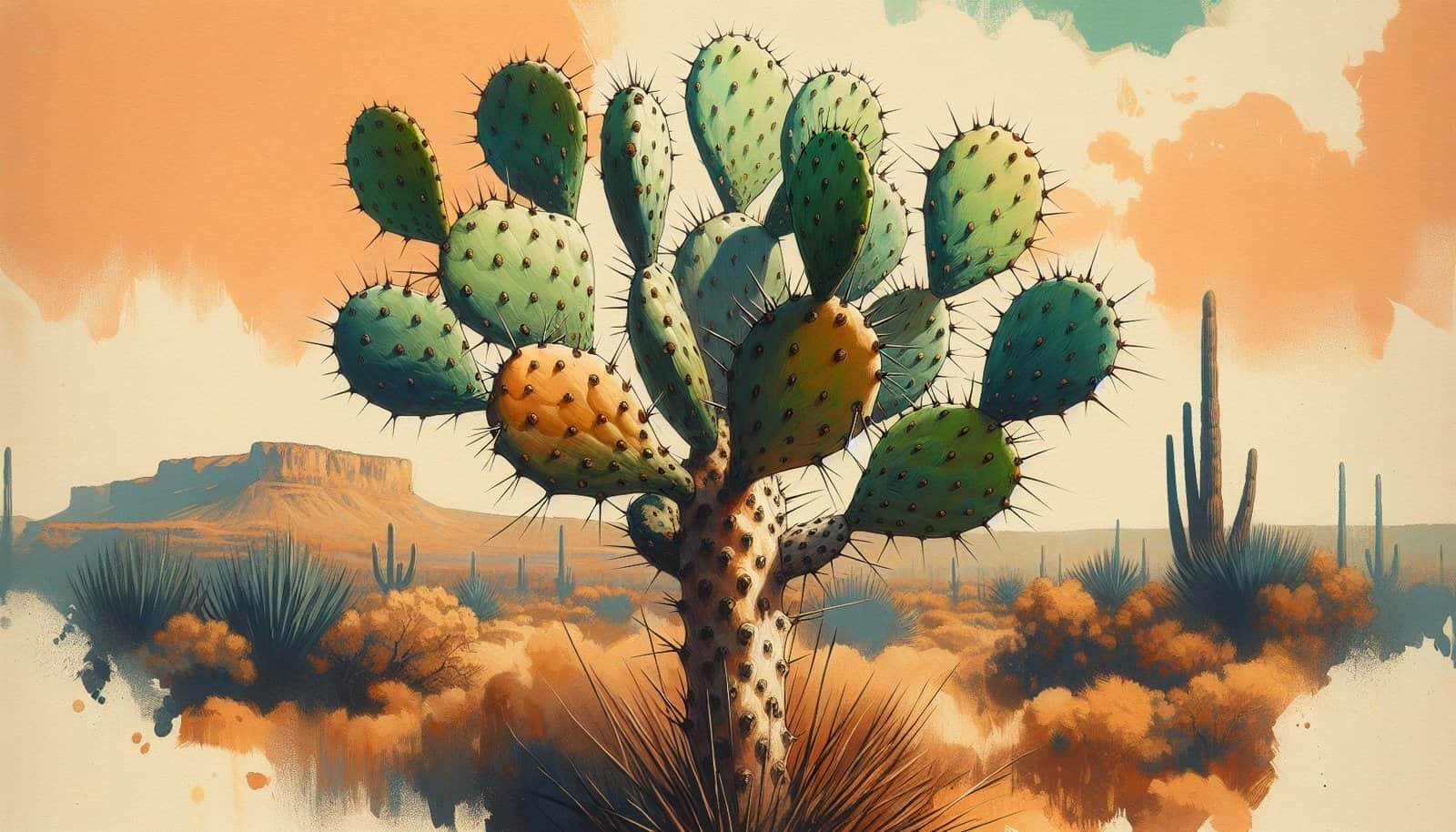
The Nopal, commonly known as the prickly pear, is a type of cactus native to Mexico. Its distinctive paddles not only add an interesting aesthetic to your garden but also offer a plethora of health benefits and culinary uses. Rich in vitamins and minerals, it’s a staple in many traditional dishes and can also be used in the wellness sector. As a succulent, the Nopal cactus is hardy and can adapt well to different environments, making it an ideal plant for both beginners and seasoned gardeners alike.
The Ideal Environment for Nopal Cactus
Climate and Light Requirements
Nopal cacti are sun-loving plants that thrive in warm climates. They are naturally accustomed to desert conditions, where they receive plenty of sunlight. For optimal growth, place your Nopal cactus in a spot where it can soak up full sunlight for at least six hours a day. If you reside in a cooler climate, consider growing your cactus indoors next to a south-facing window or invest in grow lights to supplement natural sunlight.
Temperature Tolerance
While Nopal cacti enjoy warmth, they are surprisingly resilient to temperature variations. These plants can tolerate temperatures as low as 20°F (-6°C) but will grow best in temperatures ranging from 70°F to 100°F (21°C to 37°C). If you’re growing Nopal cactus in a region with cold winters, ensure to bring your plant indoors or provide some form of protection against frost.
Soil and Drainage Needs
Well-drained soil is crucial for the health of your Nopal cactus. Use a commercial cactus soil mix or create your own by combining sand, gravel, and a small amount of potting soil to allow water to permeate easily. Maintaining good drainage will prevent the roots from sitting in water, which can lead to rot and other issues.
Planting Nopal Cactus
Choosing the Right Location
Before planting your Nopal cactus in the ground, select a location that offers ample sunlight and has well-draining soil. The Nopal can grow to be quite large, so be sure there is adequate space for it to spread out without hindrance.
Container vs. Ground Planting
If you’re planting in a container, ensure it has sufficient drainage holes. Use a pot that is slightly larger than the root ball to give your cactus room to grow. When planting in the ground, dig a hole that is twice the size of the root ball and fill it with your cactus soil mix.
Step-by-Step Planting Guide
- Prepare the Soil: Loosen the soil where you plan to plant, incorporating your cactus mix if necessary.
- Planting: Gently place your Nopal cactus in the hole or pot, keeping it straight and centered.
- Backfill: Fill around the root ball with soil, pressing down lightly to remove air pockets.
- Watering: Immediately after planting, water the cactus lightly to help it settle.
Watering Your Nopal Cactus
Understanding Water Needs
Nopal cacti are drought-resistant plants that store water in their pads. Watering them heavily can lead to overwatering and root rot. It’s crucial to establish a balance that caters to their unique needs.
Frequency of Watering
During the growing season (spring and summer), water your Nopal cactus every two to four weeks, allowing the soil to dry out completely between watering sessions. In the dormant period (fall and winter), reduce frequency to once a month or less, as the plant’s water needs significantly decrease during these times.
Using a Soak and Dry Method
Adopting the soak and dry method is an effective way to water Nopal cacti. This involves watering the plant thoroughly until water drains out of the bottom of the pot. Then, wait until the soil is completely dry before watering again. This method mimics the cactus’s natural environment and helps prevent overwatering.
Fertilizing for Optimal Growth
Choosing the Right Fertilizer
Nopal cacti require minimal fertilization. A balanced, water-soluble fertilizer with equal parts of nitrogen, phosphorus, and potassium is ideal. Avoid formulas high in nitrogen, as these can cause weak, spongy growth.
Application Timing and Frequency
Fertilize your Nopal cactus once a month during the growing season (spring and summer). Dilute your fertilizer to half the recommended strength to avoid over-fertilizing, which could lead to root burn. No fertilization is needed during the dormant phase in the fall and winter.
Natural Fertilizing Options
For an organic alternative, consider using compost or well-decomposed manure, which can be added to the soil around the base of the cactus. These options release nutrients slowly and can improve soil health over time.
Pruning and Maintenance
When and Why to Prune
Nopal cacti benefit from occasional pruning to maintain their shape and encourage new growth. Prune in the spring before the growing season begins to remove any dead or damaged pads, which also helps to improve air circulation around the plant.
How to Prune Safely
Always use clean, sharp pruning shears or a sharp knife when pruning your Nopal cactus. Wear thick gloves to protect your hands from the spines. Carefully cut pads at the base, making a clean cut to prevent damage to the main plant.
Pest and Disease Management
While generally hardy, Nopal cacti can be susceptible to pests like scale insects and mealybugs. Regularly inspect your plant for signs of infestation, such as sticky residue or cottony masses. Remove visible pests with a cotton swab soaked in alcohol. If you encounter a more serious infestation, treat your cactus with insecticidal soap or neem oil. Moreover, ensure your plants have proper airflow to prevent fungal diseases, which can result from overly humid or stagnant conditions.
Propagating Nopal Cactus
Methods of Propagation
Nopal cacti can be propagated easily through pads, seeds, or cuttings. Propagating via pads is the simplest and most common method, perfect for beginners looking to multiply their plants.
Step-by-Step Guide for Propagation with Pads
- Select a Healthy Pad: Choose a healthy pad from your existing cactus—one that is mature and free of blemishes.
- Cut and Dry: Use a clean knife to cut off the pad. Allow it to dry and form a callus over the cut site, which usually takes about one to two weeks.
- Planting: Once the pad has callused, plant it in a container with your cactus soil mix, burying it slightly so it stands upright.
- Initial Watering: Water sparingly until roots develop, then follow the regular watering routine.
Growing Nopal from Seed
While growing Nopal from seeds is a longer process than propagation with pads, it’s a fascinating way to cultivate this cactus. Sow seeds in sandy soil and keep them warm and lightly moist until germination occurs. This can take several weeks. Once seedlings are large enough, transplant them into larger pots or into the ground following the general planting guidelines.
Common Issues and Solutions
Overwatering and Root Rot
One of the most common issues with Nopal cactus is overwatering, which can lead to root rot. If you suspect your cactus is suffering from overwatering, remove it from the soil and examine the roots. Cut away any rotted roots, allow them to dry out, and replant in fresh soil with better drainage.
Pests and Diseases
If you notice signs of pests, act quickly to minimize damage. For minor infestations, physical removal may be sufficient. For more persistent problems, horticultural oils or insecticidal soaps can be effective. Remember that maintaining good plant hygiene and ensuring appropriate environmental conditions are your first lines of defense against pests and diseases.
Environmental Stress
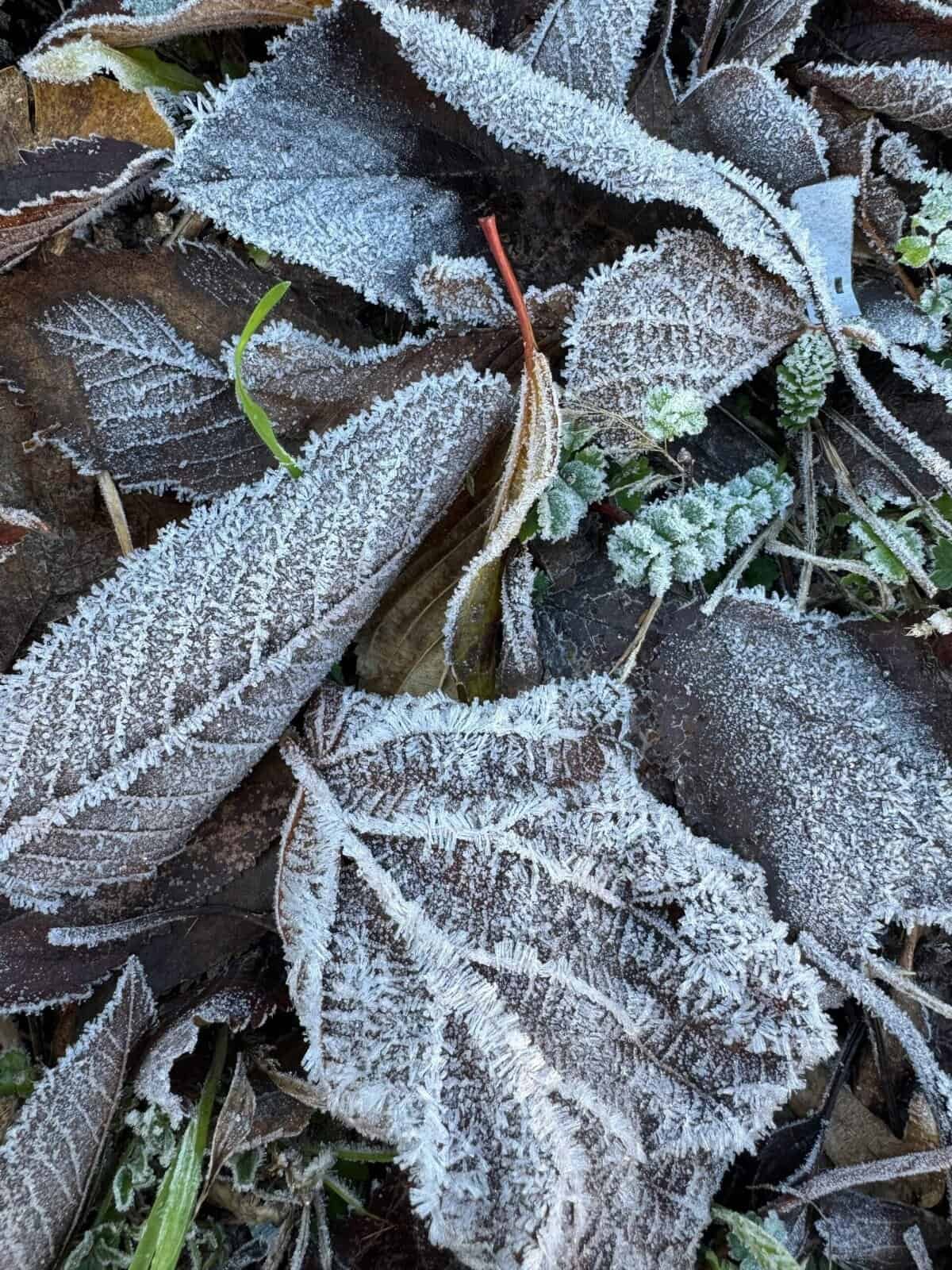
Occasional environmental stress, like sunburn or frost, can affect the Nopal cactus. Sunburn appears as yellowing or whitening of the pads, which can be remedied by providing some shading during the hottest part of the day. To protect against frost damage, cover outdoor cacti with cloths or move potted plants indoors during cold snaps.
Enjoying the Benefits of Nopal Cactus
Nutritional and Culinary Uses
The edible pads and fruits of the Nopal cactus are rich in fiber, vitamins, and antioxidants. They can be grilled, sautéed, or added to various dishes for a nutritious boost. The fruits, known as “tunas,” are sweet and juicy, making them great for jams, salads, or eating fresh.
Medicinal Benefits
Nopal cactus is used traditionally to aid in managing blood sugar levels, reducing inflammation, and promoting digestive health. While research is still ongoing, many people find incorporating Nopal into their diets helpful for various health concerns.
Aesthetic Value
Beyond its practical uses, the Nopal cactus adds a unique and striking visual appeal to any landscape or interior décor. Its robust structure and vibrant flowers can become a focal point, bringing a sense of the exotic to your space.
In summary, growing Nopal cactus can be both satisfying and straightforward with minimal care required. The keys to success are understanding its environmental needs, adhering to a proper planting process, and maintaining a balanced watering routine. By doing so, you will not only enjoy its aesthetic appeal but also the numerous benefits it brings to your table and well-being. Whether you are nurturing it indoors or out, the resilient Nopal cactus can positively thrive under your care, offering its unique charm and utility along the way.