
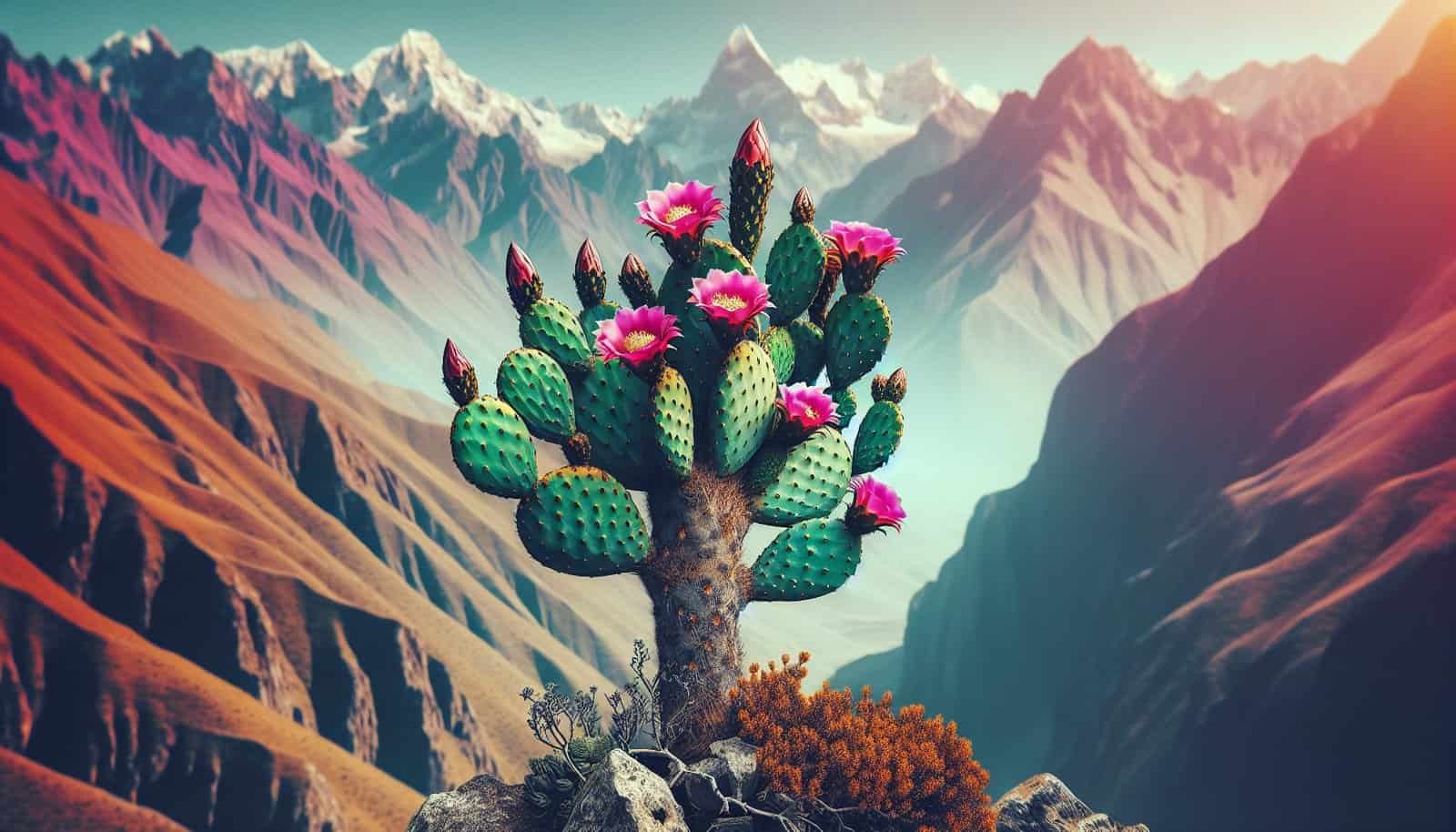
Have you ever wondered how you can grow Nopal cactus in high-altitude regions? If you enjoy gardening and are captivated by the resilience and beauty of cactus plants, you may be curious about adapting these hardy succulents to diverse environments, including those found at higher altitudes. The Nopal cactus, with its impressive versatility, offers an exciting proposition for passionate gardeners willing to tackle unique growing challenges.
Understanding the Nopal Cactus
What is Nopal Cactus?
The Nopal cactus, also referred to as the prickly pear, is part of the Opuntia genus. This cactus is characterized by its paddle-shaped pads and vibrant fruits. These pads are not only visually striking but also edible, packed with nutrients and often used in various culinary dishes. Known for adapting to arid conditions, the Nopal cactus is a magnificent plant that can also thrive beyond its native habitat with a little understanding and care.
Benefits of Growing Nopal Cactus
Why consider growing Nopal cactus? Aside from its aesthetic value, it serves as a source of nourishment and medicinal benefits. The pads are rich in vitamins and proteins, and the fruits—often referred to as “tunas”—are delicious and nutritious. They are believed to help regulate blood sugar levels and provide dietary fiber, among other health benefits. Moreover, the plant’s ability to store water means it requires less frequent watering, making it an efficient, sustainable choice for water-conscious gardeners.
Challenges of High-Altitude Gardening
Gardening at high altitudes brings its own set of challenges, primarily due to cooler temperatures and thinner air, which can affect plant growth. The sunlight is more intense due to the thinner atmosphere, leading to varied UV radiation levels, and the growing season might be shorter. These factors necessitate a tailored approach when growing any plant in such conditions.
Selecting the Right Variety
Best Varieties for High Altitudes
Not all Nopal cactus varieties are equally suited to high altitudes. Selecting an appropriate variety is crucial. Some popular options include Opuntia humifusa and Opuntia phaeacantha, known for their hardiness in a broader range of climates. These varieties often exhibit greater resilience against temperature fluctuations and are well-suited for environments where growing conditions may frequently change.
Considerations for Climate
It’s essential to evaluate your specific region’s climate when selecting a Nopal variety. Look into local temperature ranges, sun exposure, and frost likelihood. Choosing a variety that can withstand colder temperatures without experiencing damage is pivotal to achieving healthy growth and sustained yield.
Preparing the Growing Environment
Soil Requirements
One of the Nopal cactus’s strengths is its ability to grow in poor soil. However, to optimize growth, well-draining soil is highly recommended. A mix of sandy or rocky soil enriched with organic matter can promote healthy root development while ensuring excess moisture doesn’t cause rot.
Sunlight and Temperature Needs
Though Nopal cactus can handle full sun in lower altitudes, high-altitude regions often require a bit more nuance. With stronger UV rays, it may be beneficial to provide some level of shade during the most intense midday sun to prevent scorching. Temperature-wise, they prefer warmth, but selecting a hardy variety will allow them to tolerate cooler nights typical of higher regions.
Protecting Against Frost
Frost can potentially harm Nopal cacti, especially tender young plants. Implementing frost protection measures, such as covering plants with frost cloths or using windbreaks, can make a significant difference. Planting against a south-facing wall may also help, leveraging residual heat from the structure to moderate overnight temperatures.
Planting Nopal Cactus
Propagation Techniques
Propagating your Nopal cactus can be an enjoyable and rewarding process. The most straightforward method is by using cactus pads. Select a healthy, mature pad, allow the cut end to dry and callous over a few days, and then plant it upright in the soil. Ensure the pad receives support as it establishes its root system, typically taking three to eight weeks.
Optimal Planting Time
Timing your planting is critical, especially in high-altitude regions. The ideal time is after the risk of frost has passed. Early spring to late spring could be optimal, as this timing gives the plant the entire growing season to establish itself before encountering the harsher conditions of winter.
Care and Maintenance
Watering Practices
While overwatering is a common problem with Nopal cactus, ensuring adequate moisture without drenching the plant is crucial, particularly in sandy soils where water drains quickly. In its early stages, the cactus will require more frequent watering, reducing over time as the roots become established. As a rule of thumb, allow the soil to dry out between waterings.
Nutrient Needs
Though these cacti thrive in less-than-ideal conditions, occasional fertilization can support their growth, especially in nutrient-depleted soil. Using a balanced, slow-release fertilizer in spring can give Nopal a healthy start into the growing season. However, over-fertilization should be avoided, as rapid growth can make the plant vulnerable to diseases.
Pruning and Harvesting
Regular pruning helps maintain the plant’s shape and encourages newer, healthier growth. When harvesting, be sure to use sharp tools and take necessary precautions to avoid contact with the spines. The pads, when harvested, can be used for various purposes, from culinary to medicinal applications.
Managing Pests and Diseases
Common Pests in High-Altitude Regions
In higher altitudes, while the risk of traditional pests may be lower, vigilance is still necessary. Common issues might include scale insects or mealybugs, which can be managed with neem oil or insecticidal soap.
Disease Prevention
Nopal cacti are typically resistant to many diseases; however, excess moisture can promote rot or fungal infections. Ensuring adequate drainage and airflow can help mitigate these risks. Inspect your plants regularly so you can catch and treat any signs of disease early.
Benefits Beyond the Garden
Environmental Contributions
Growing Nopal cactus can play a part in soil stabilization and erosion control due to its robust root system. Its presence in a garden promotes biodiversity by attracting pollinators and providing habitat for various small wildlife species.
Culinary and Health Uses
Beyond their environmental benefits, Nopal cacti contribute significantly to your health. The pads are a versatile ingredient in numerous dishes, from salads to soups. For adventurous cooks, the possibilities are pleasantly endless. Nutritionally, they offer a healthy dose of fiber, antioxidants, and vitamins, which are coupled with potential medicinal benefits for managing cholesterol and blood sugar levels.
Economic Potential
Nopal cacti also provide economic benefits. Whether it’s selling fresh or processed pads and fruits, or starting a small enterprise of cactus-based products, they open up opportunities to blend ecological farming with entrepreneurial ventures. Adopting Nopal cultivation can indeed serve as a sustainable agro-business model.
Conclusion: A Rewarding Endeavor
Growing Nopal cacti in high-altitude regions, while challenging, can be exceptionally rewarding. These resilient plants not only enhance the aesthetic appeal of any garden setting but also provide a multifaceted return through nutrition, medicinal benefits, and even economic gain. With thoughtful preparation, the right variety choice, and proper care, your Nopal cacti can thrive, turning any high-altitude garden into a vibrant, sustainable oasis. The task may test your green thumb, but the joy of watching these tenacious plants flourish will surely outweigh the efforts involved.
