
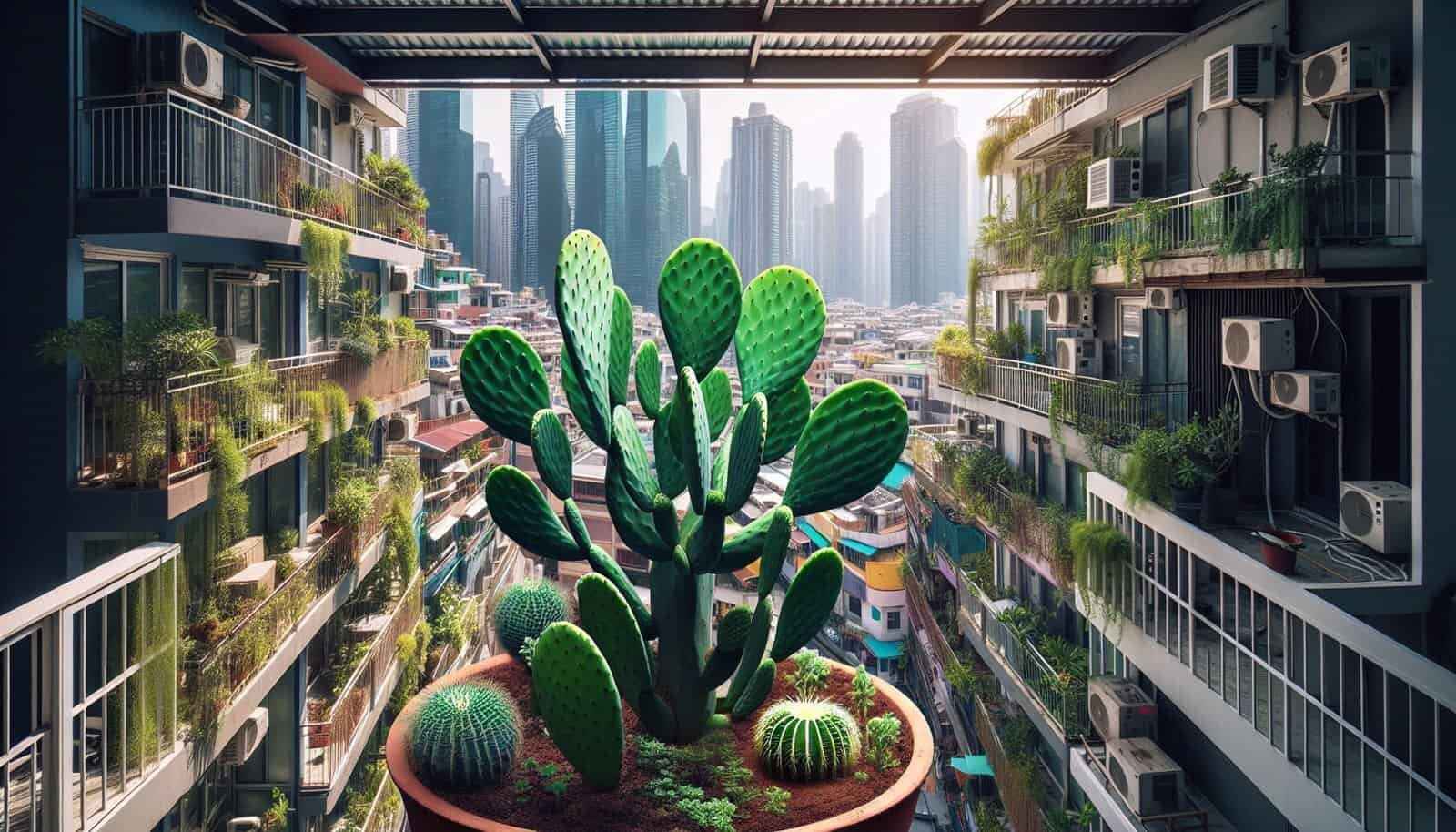
Have you ever looked at your small living space and wondered if you could fill it with the lush greenery of a cactus garden? Maybe you’ve dreamt of cultivating your own fresh Nopal cactus pads but thought you needed vast, open land for success. The great news is you don’t need to sacrifice your gardening dreams just because your space is limited. Growing Nopal cacti, also known as prickly pear, in compact areas is entirely achievable with a bit of knowledge and creative planning.
Understanding the Nopal Cactus
Before embarking on your gardening adventure, it’s essential to understand what makes the Nopal cactus unique. This plant, recognized for its edible pads and vibrant flowers, originates from the deserts of North and Central America. Its natural habitat makes it inherently hardy and an excellent choice for beginner gardeners or those lacking a green thumb. Furthermore, the Nopal cactus is a fantastic choice if you seek a plant that requires minimal water and is relatively easy to maintain.
Characteristics of Nopal
Nopal cacti are known for their thick, paddle-like pads, which perform the dual function of photosynthesis and water storage, making them highly drought-tolerant. The plant produces bright flowers, typically appearing in warm yellows, reds, or pinks, followed by the growth of fruit that is not only edible but also delicious. The Nopal’s physical attributes are part of what makes it a charming addition to any home garden, regardless of size.
Benefits of Growing Nopal in Compact Spaces
One of the primary reasons to consider growing Nopal cactus is their versatility. They offer numerous benefits extending beyond their ornamental appeal. Whether you are interested in improving your diet, enhancing your décor, or adding to your green space, there are several advantages to cultivating this resilient plant.
Health and Culinary Uses
The Nopal pads are not only edible; they are packed with nutrients. Rich in fiber, vitamins, and antioxidants, they offer a plethora of health benefits, such as aiding digestion and helping to manage cholesterol. These succulent paddles can be grilled, steamed, or incorporated into a variety of dishes—an added bonus if you enjoy experimenting in the kitchen.
Decorative and Environmental Appeal
In terms of decoration, Nopal cacti can enhance compact living spaces beautifully with their unique forms and vibrant hues. As succulents, they also contribute to air purification by absorbing carbon dioxide and releasing oxygen, improving your home’s air quality.
Preparing to Grow Nopal Cactus: Materials and Space Considerations
Proper preparation is key to success in Nopal cactus cultivation. Here’s what you need to consider in terms of materials and space.
Selecting the Right Containers
Growing Nopal cacti indoors or in balconies requires the right containers. Choose pots that are wide and shallow, as Nopal roots are not deeply penetrating, but ensure that they provide adequate drainage to prevent waterlogging. Terra cotta pots are an excellent choice due to their breathability, aiding in moisture evaporation.
Essential Tools and Materials
To start your growing journey, a few tools and materials will ensure success:
- Quality potting soil mixed with sand or perlite for better drainage.
- Pebbles or small stones to line the bottom of pots.
- A hand trowel and mini rake for planting and ongoing maintenance.
- Gardening gloves to protect from spines and glochids, the cactus’s tiny hair-like structures.
Finding the Optimal Location
When space is scarce, the selection of a location becomes critical. Choose a spot that receives ample sunlight, ideally near a southern or western-facing window if indoors or a sunny balcony. Nopal cacti thrive in bright, direct light but also tolerate moderate shade. Keep in mind that these plants prefer temperatures between 60 and 90 degrees Fahrenheit (15-32 degrees Celsius), so placement is key to fostering a healthy growing environment.
Planting Nopal Cactus
Once you’ve gathered your materials and identified the perfect spot, it’s time to plant your Nopal cactus. This process may seem daunting, but with patience and attention to detail, your compact garden will soon flourish.
Steps for Planting
Start with Dedicated Soil Preparation: Ensure your potting mix is well-draining. A recommended ratio is two parts sand to one part potting soil.
Potting the Cactus: Fill your container with prepared soil, line the bottom with pebbles, and plant your Nopal pad by inserting it slightly into the soil to stand upright. It’s important not to overwater at this stage.
Position Mindfully: Position the planted cactus in your predetermined sunny location, ensuring it’s secure and stable.
Watering Considerations
While the Nopal cactus is drought-tolerant, ensuring proper watering is essential. Water the plant sparingly, allowing the soil to dry thoroughly between watering to mimic its natural arid conditions. Over-watering can lead to root rot, so it’s always better to err on the side of underwatering with this resilient species.
Ongoing Care and Maintenance
The secret to a thriving Nopal cactus lies in its ongoing care, even in a compact setting. Once settled, the Nopal cactus requires minimal maintenance, yet strategic attention helps ensure it remains healthy and productive.
Fertilization Needs
Typically, Nopal cacti do not demand frequent fertilizing. However, occasional feeding during the growing season (spring and summer) with a balanced cactus fertilizer can promote pad and flower growth. An organic fertilizer high in phosphorus may yield the most pronounced results.
Pruning and Pest Prevention
Routine checks are advisable to detect any signs of pests such as mealybugs or scale insects. If present, using a soft cloth with soapy water or alcohol can help eliminate these nuisances. Additionally, pruning pads that rot or overlap excessively can prevent fungal issues and maintain a tidy appearance.
Adapting to Seasonal Changes
While your Nopal may flourish during warmer months, adjustments may be necessary during colder periods. Moving pots indoors during extreme cold or temporary cessation of watering aligns with their natural physiological responses to cooler climates.
Maximizing Space Usage
If you’re working with an exceedingly small area, maximizing space becomes a creative challenge. Fortunately, Nopal cacti play well with different strategies designed to make the most of limited room.
Vertical Gardening Techniques
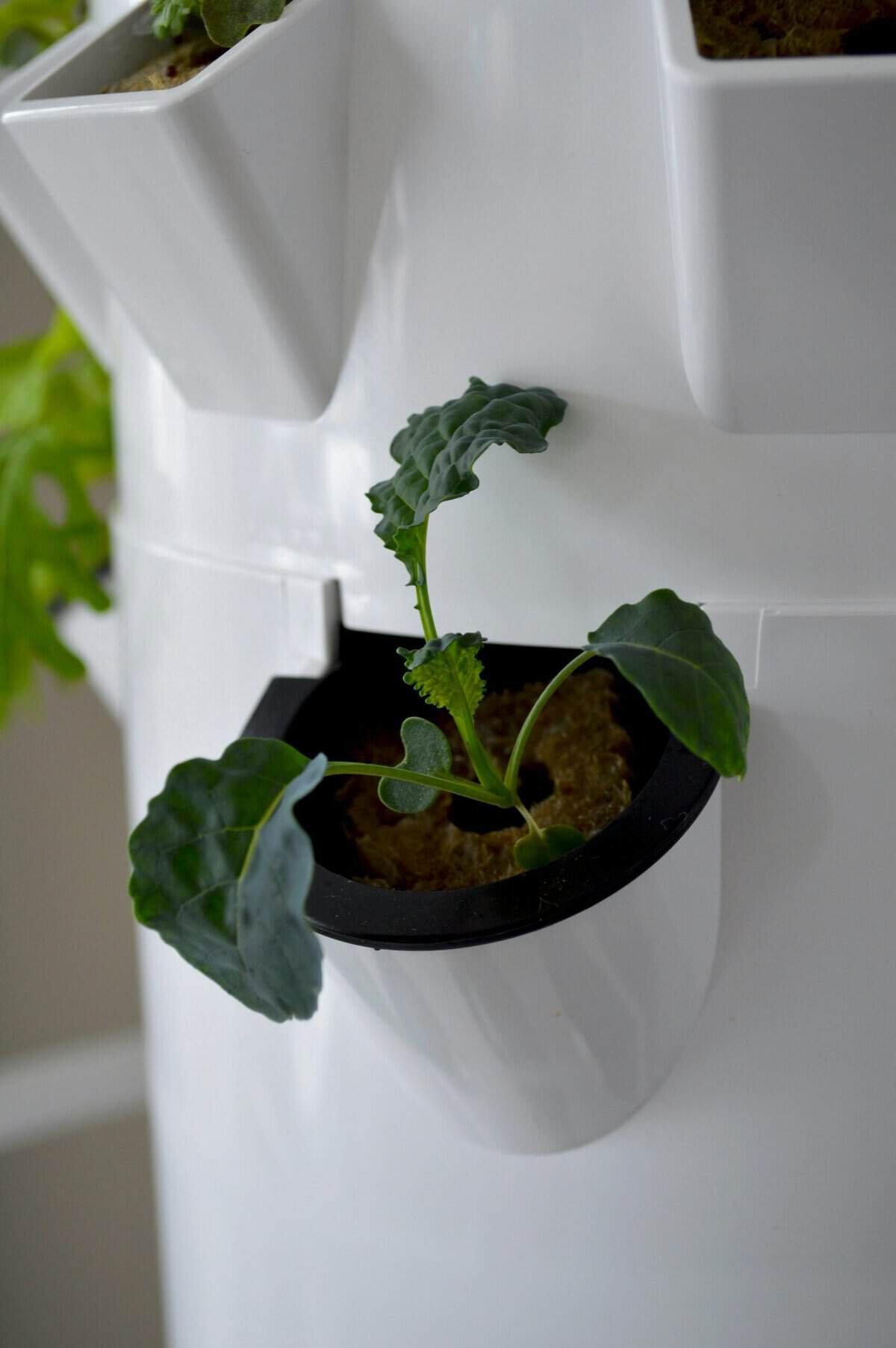
Vertical gardening optimizes both floor and air space by using walls or hanging systems. Consider installing wall-mounted planters, stackable pot growers, or using hanging baskets to elevate your cactus collection vertically.
Companion Planting Options
Incorporating other succulents or cactus varieties with similar light and watering requirements can enhance your micro-garden’s biodiversity. Compact succulents like jade plants or smaller Echeverias make excellent companions, offering variety without encroaching on space.
Troubleshooting Common Issues
An important aspect of any gardening venture is recognizing and correcting common problems. Let’s discuss a few typical scenarios and solutions.
Identifying Plant Stress
Discoloration or shriveling pads may indicate overwatering, under-watering, or lighting issues. Adjusting your watering schedule or relocating the pots might be necessary to restore the plant’s natural resilience.
Handling Disease and Pests
Should pests or diseases arise, they can usually be managed with natural remedies or adjustments in care routines. For instance, increasing airflow around the plants can prevent fungal diseases, while targeted organic pest controls address insect concerns.
Reaping the Harvest: Using Nopal in Your Kitchen
The true joy of growing Nopal cacti comes when you harvest and taste its delightful produce. Knowing the proper methods and timing enhances both flavor and nutrition.
Harvesting Tips
Harvest Nopal pads when they are young and tender for the best texture and taste. Look for bright, smooth pads around the edges of the plant, and use a knife to slice them cleanly at the base, taking care not to damage the plant.
Delicious Recipes
Nopal pads can be boiled, grilled, or sautéed. Try them diced in salads or blended into smoothies for a fresh, tangy flavor addition. For a more adventurous approach, consider crafting a classic Mexican dish such as Nopalitos with added vegetables, spices, and beans. These dishes accentuate the Nopal’s natural earthy taste while showcasing its versatility.
Concluding Thoughts
Growing a Nopal cactus in limited spaces is not only feasible but immensely rewarding. With compact dimensions and minimal maintenance, these vibrant plants provide nutrition, aesthetic value, and—most notably—a connection to nature, regardless of where you live. By embracing creative gardening solutions and fostering your Nopal cactus’s growth, you can successfully blend the joy of gardening with the demands of modern, small-space living. Enjoy each step of this horticultural journey, and savor the fruits—literally!—of your dedicated green thumb.