Have you ever thought about growing a Nopal cactus in your garden but hesitated because of your alkaline soil? It might seem a bit challenging at first glance, but fear not. With a little guidance and some handy tips, you can successfully cultivate the resilient and nutritious Nopal cactus, no matter your soil conditions. This friendly guide will take you through everything you need to know to cultivate this resilient plant even in alkaline soils.
Understanding the Nopal Cactus
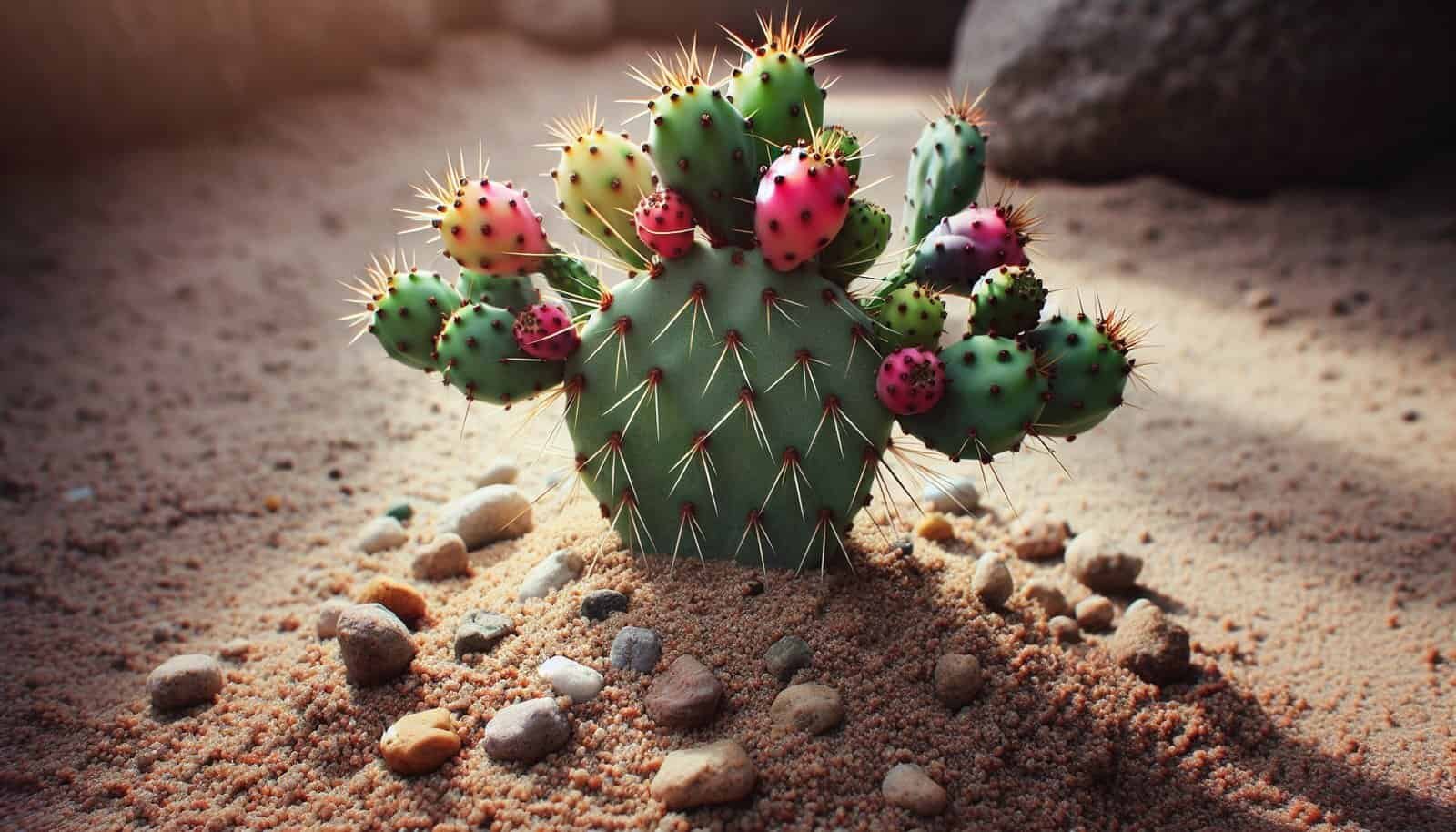
Before we get into the details of growing Nopal cactus in alkaline soil, let’s look at what makes this plant special. Nopal, often referred to as “prickly pear,” is a cactus species notable for its flat, fleshy pads and vibrant blooms. It’s not only a striking addition to any garden, but it’s also a valuable plant used in cooking, medicine, and natural landscaping.
Benefits of Nopal Cactus
The Nopal cactus is often hailed for its numerous health benefits and culinary uses. The pads, called “nopales,” are rich in fiber and antioxidants, making them a popular choice in many dishes. Moreover, this cactus is extraordinarily resilient and can thrive in environments where other plants might struggle.
Characteristics of Nopal Cactus
Native to the arid regions of the Americas, the Nopal cactus is accustomed to growing in dry, rocky conditions. It’s known for its hardy nature, able to withstand harsh climates and poor soil, making it an ideal candidate for alkaline soil gardening with the right approach.
What Is Alkaline Soil?
To embark on your journey to grow Nopal cactus, it’s crucial to understand alkaline soil first. Soil pH levels are often the deciding factor in plant health and growth, and alkaline soil typically has a pH above 7. Let’s delve into what that means for your gardening pursuits.
Causes of Alkaline Soil
Alkaline soil often arises from factors such as underlying geological formations composed of limestone or other calcareous materials. In addition, regions with low rainfall may experience alkaline conditions due to less leaching of alkaline salts.
Challenges of Growing in Alkaline Soil
Alkaline soil poses a few challenges for gardeners. One significant issue is that certain nutrients become less available to plants under high pH conditions, particularly iron, manganese, and phosphorus. This situation can lead to deficiency symptoms in plants and inhibit growth.
Preparing Alkaline Soil for Planting Nopal Cactus
Now that you’re familiar with the fundamentals of both the Nopal cactus and alkaline soil, it’s time to prepare your garden for planting. There are several strategies you can employ to create a more hospitable environment for your cactus.
Adjusting Soil pH
While it’s not always necessary to alter the pH dramatically, moderate adjustments can help. Adding materials such as elemental sulfur or organic matter can lower the pH slightly, making it more favorable for cactus growth.
| Material | Amount per 100 sq. ft. | Expected pH Change |
|---|---|---|
| Elemental Sulfur | 1-2 pounds | Lower pH by 0.5-1 |
| Organic Matter | Varied | Slight reduction |
Soil Amendment Techniques
In addition to adjusting pH, it’s beneficial to improve soil texture for better drainage. Mixing in sand, gravel, or pumice can enhance aeration and prevent root rot—an essential factor for healthy cactus roots.
Planting Nopal Cactus
With your soil prepared, you’re ready to plant. Proper planting techniques will help your Nopal cactus establish itself more quickly and thrive in alkaline conditions.
Selecting the Right Cactus Pads
When selecting pads to plant, choose healthy, mature pads free from disease or damage. You can usually source these from a local nursery or a well-cultivated Nopal plant.
Planting Techniques
Planting Nopal in alkaline soil is straightforward:
- Cut Pads: Use a clean knife to cut a pad from the mature cactus.
- Cure Pads: Allow the cut pad to dry for a few days to form a callous over the cut surface.
- Prepare a Planting Spot: Dig a shallow hole in the prepared soil.
- Position the Pad: Place the pad upright in the hole, burying about one-third of the pad into the soil.
- Stabilize: Use small stones around the base for stabilization.
This process encourages water drainage and prevents rotting while the pad takes root.

Caring for Nopal Cactus
Once planted, your Nopal cactus will thrive with minimal care, reflecting its low-maintenance nature. However, there are key considerations to keep your plant healthy and productive.
Watering
Though drought-tolerant, the Nopal cactus benefits from occasional watering. Aim to water deeply but infrequently to simulate natural rain conditions. Allow the soil to dry completely between watering to prevent root rot.
Fertilization
Fertilization is generally not required often, but it can boost growth during the active growing season. Opt for a balanced, low-nitrogen cactus fertilizer, which complements the alkaline soil’s limited nutrient availability.
Pest and Disease Management
Nopal cactus is relatively resistant to pests and diseases, but it’s not immune. Watch for mealybugs or scale insects and remove them manually or with horticultural oil. Root rot is mitigated by ensuring proper drainage and not overwatering.
Harvesting Nopales
If you’re growing Nopal for culinary purposes, the pads can be harvested once they reach a suitable size. They’re typically most tender and flavorful when young.
Harvesting Tips
- Gloves and Tools: Use gloves and a sharp knife or pruning shears to avoid spines.
- Time of Day: Early morning harvesting keeps moisture locked in.
- Quality Check: Select only firm, healthy pads for the best flavor and texture.
Once harvested, nopales can be prepared by trimming spines, rinsing, and dicing for use in a multitude of dishes, ready to enrich your meals with their unique taste and nutritional benefits.

Preserving and Using Nopales
Preservation Techniques
To extend the bounty of your Nopal harvest, consider preserving methods such as pickling or drying. Both techniques will enable you to enjoy your harvest long after the growing season has ended.
Culinary Uses
Nopales are incredibly versatile; they can be grilled, sautéed, or added to stews and salads. Their mild, slightly tangy flavor complements numerous dishes, reflecting their culinary flexibility.
Conclusion
Growing Nopal cactus in alkaline soil is entirely achievable with the right approach and care. This resilient plant can enhance your garden’s diversity while providing nutritional benefits and aesthetic appeal. With a bit of preparation and patience, you’ll find that Nopal cactus not only thrives but prospers even in challenging soil conditions. Embrace the journey of cultivating this fascinating plant, knowing that with the right tips and strategies, your efforts will bear fruit—or, in this case, pads!