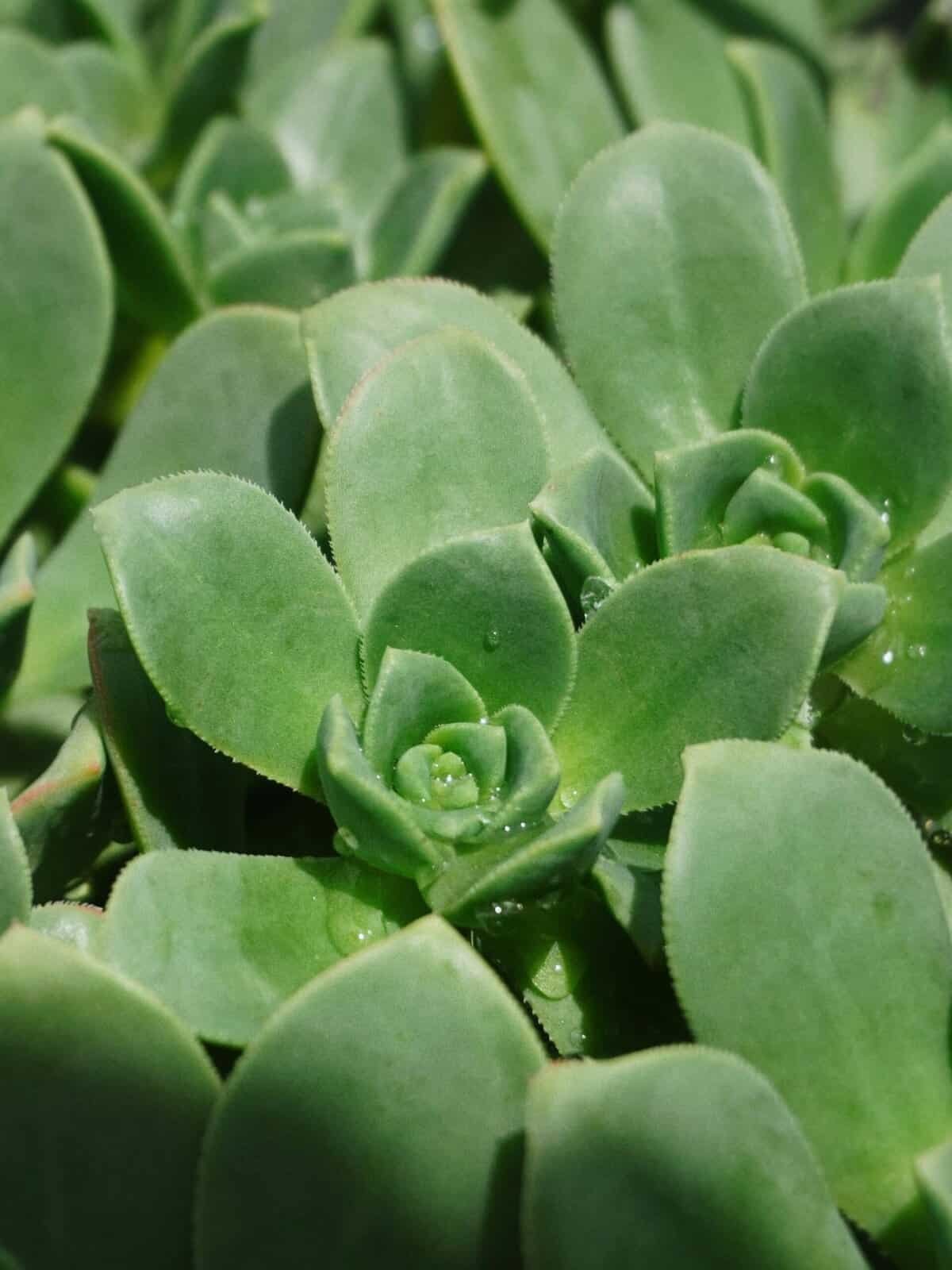
Have you ever wondered how to help your Nopal cactus thrive during the winter months? Preparing your plants for winter dormancy is paramount to ensuring they make it through the colder season happy and healthy. Let’s take a journey into the world of cacti and discover how you can help your Nopal cactus enter winter dormancy successfully.
Understanding Winter Dormancy
Before you start the preparations, it’s crucial to grasp the concept of winter dormancy. Like bears hibernating during winter, many plants, including the Nopal cactus, undergo a period of dormancy to conserve energy when conditions are not ideal for growth. During this time, plants slow down their metabolic processes, which allows them to survive cold temperatures and limited sunlight.
What Happens During Dormancy?
During dormancy, the Nopal cactus will reduce its growth rate, meaning you won’t see the vigorous development typical of the warmer months. The cactus will use its stored energy to stay alive, conserving resources by entering a state of rest. Understanding this natural cycle helps you adjust your care routine, ensuring the plant remains healthy through winter.
Why Is Dormancy Important for Nopal Cactus?
Ensuring your Nopal cactus experiences dormancy is essential for its overall health and longevity. This rest period allows the plant to conserve energy, remain resilient in colder temperatures, and prepare for a robust growth phase once conditions improve. Without this vital rest, your cactus could become stressed and less adaptable to seasonal changes.
Preparing Your Nopal Cactus for Winter Dormancy
Now that you know what dormancy is and its importance, let’s explore how to prepare your Nopal cactus for the cold months. Creating the right environment is key to the plant’s successful dormancy.
Assessing Your Cactus’s Health
Before winter sets in, check your cactus for any signs of distress or disease. Look for discolored pads, spots, or signs of pest infestations. Addressing these issues early will ensure your cactus is in prime condition to handle dormancy.
Cleaning and Grooming
Start with gently cleaning your Nopal cactus, as this will minimize the risk of infections during the dormant period. Use a soft brush to remove dust and debris from its pads. If necessary, trim any damaged or dead sections, but avoid heavy pruning, as this can stress the plant.
Adjusting Watering Habits
Watering is one of the most critical aspects to adjust as you approach winter. During dormancy, your Nopal cactus will require much less water. Too much moisture can lead to root rot or fungal issues.
Here is a simple table to guide your watering schedule:
| Season | Watering Frequency |
|---|---|
| Spring/Summer | Once every 7-10 days |
| Fall | Once every 14-21 days |
| Winter | Once every 30-45 days |
Modifying Lighting Conditions
Your Nopal cactus loves sunlight, but with the days growing shorter in winter, it’s essential to optimize its light exposure. Move your cactus to a spot where it can receive bright, indirect sunlight. Avoid placing it directly next to windows where cold drafts are prevalent, as these can harm your cactus.
Understanding Temperature Needs
Temperature plays a crucial role in helping your Nopal cactus settle into dormancy. Ideally, you should aim to keep your cactus in an environment with temperatures ranging between 45°F (7°C) and 55°F (13°C) during the winter months. Temperatures consistently below this can cause damage, while warmer temperatures may prevent dormancy.
Creating a Suitable Indoor Environment
If you live in an area where temperatures drop significantly, consider bringing your cactus indoors. Position it in a room where the temperature remains stable, and avoid placing it near heaters or vents, which can cause abrupt temperature fluctuations.
Protecting Outdoor Cacti
For those whose Nopal cacti remain outdoors, consider utilizing these techniques to ensure adequate winter protection:
- Mulching: Apply a layer of mulch around the base to help insulate the roots.
- Frost Cloths or Covers: Use frost cloths to cover the cactus during extreme cold spells.
- Wind Barriers: Erect barriers around your cactus to shield it from harsh winds.
Soil Considerations
While winter isn’t the time for repotting, maintaining good soil conditions is vital. The soil should be well-draining to prevent waterlogging. Soil that’s too compact can hold moisture, which is detrimental during dormancy.
Testing Soil Drainage
You can test your soil’s drainage before winter arrives by watering it and timing how long it takes to drain. If the water sits on the surface or takes more than a few minutes to drain, it may be time to amend your soil with sand or perlite to improve drainage.
Fertilizing Practices
Fertilization should generally cease during the winter months, as your cactus won’t actively use the nutrients during dormancy. Resume fertilization in spring with a diluted cactus-specific fertilizer when active growth begins.
Monitoring and Adjusting Care
Once your Nopal cactus is set up for dormancy, it’s crucial to keep an eye on it throughout winter. Regularly check for any signs of stress or health issues. If anything seems off, such as unexpected growth or wilting, reassess your environmental controls and make necessary adjustments.
Troubleshooting Common Issues
Sometimes, despite best efforts, challenges arise. Here are some common problems you might encounter with your Nopal cactus during winter dormancy, along with tips for resolving them:
Wilting or Drooping Pads
Wilting can indicate over- or under-watering. Check soil moisture and adjust your watering schedule according to the guidelines earlier.
Discoloration or Spots
This can be a sign of fungal infections. Ensure the cactus isn’t receiving excess moisture and consider using a fungicide if necessary.
Lack of Dormancy
If your cactus shows signs of active growth, it may not be reaching a cool-enough temperature to trigger dormancy. Adjust your environment to encourage a dormant state.
Looking Forward to Spring
As winter ends and temperatures rise, your Nopal cactus will naturally exit dormancy, entering a vigorous growth phase. Being attentive during this transition is just as important as preparing for dormancy. Gradually reintroduce more frequent watering and assess the plant’s need for fertilization. Your diligent care during winter will pay off with a healthier, more robust cactus ready to flourish in the coming months.
By understanding the unique needs of your Nopal cactus and making thoughtful adjustments, you can nurture it through the winter dormancy with confidence. You’ll find joy in helping your plant thrive in every season, bringing a touch of desert beauty to your home all year round.