
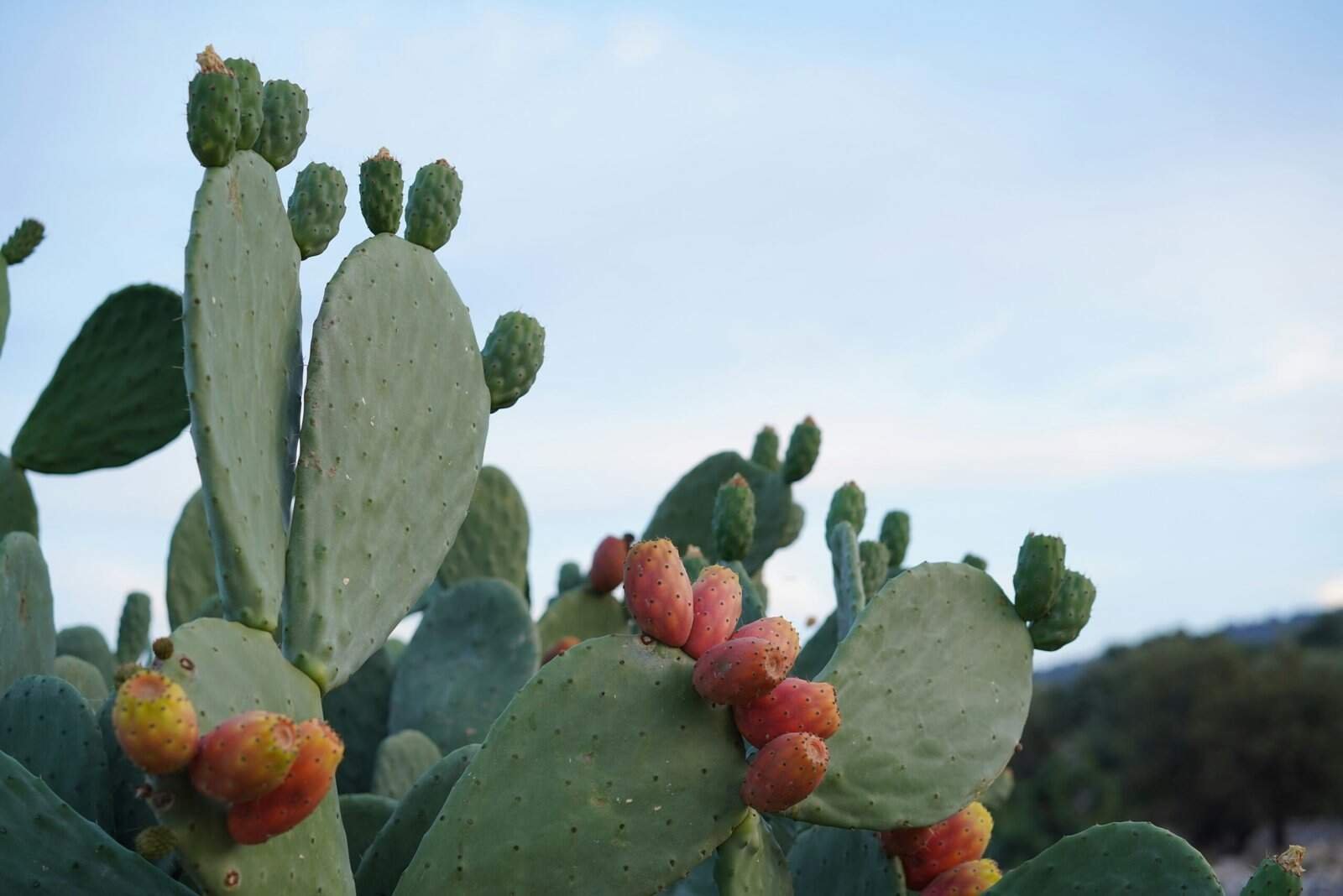
Have you ever wondered about the hidden gems in the world of natural remedies that could be beneficial for your diet? One such gem is the Nopal cactus, a plant often overshadowed by more popular ingredients but nonetheless replete with health benefits, especially in the realm of anti-inflammatory diets. If you’re curious about how this prickly plant might bolster your health, you’re in the right place.
Introduction to Nopal Cactus
Nopal cactus, also known as prickly pear cactus or Opuntia, is a native plant found predominantly in Mexico and other arid regions. It’s not only a staple ingredient in Mexican cuisine but also recognized for its medicinal properties. This succulent is characterized by its flat, fleshy pads, which have been consumed for centuries due to their nutritional benefits.
Nutritional Profile of Nopal Cactus
Before diving into its benefits for anti-inflammatory diets, let’s take a closer look at what makes the Nopal cactus nutritionally unique. Nopal is rich in dietary fiber, antioxidants, vitamins, and minerals, including vitamin C, magnesium, calcium, and potassium. These nutrients are vital in maintaining overall health and play a significant role in reducing inflammation.
| Nutrient | Amount per 100g | Health Benefit |
|---|---|---|
| Vitamin C | 9.3mg | Boosts immune response |
| Calcium | 164mg | Supports bone health |
| Magnesium | 85mg | Relieves muscle cramps |
| Fiber | 3.6g | Aids in digestion |
| Potassium | 257mg | Supports cardiovascular health |
The Science Behind Inflammation
To understand why Nopal cactus is beneficial for an anti-inflammatory diet, it’s important to first grasp what inflammation is. Inflammation is the body’s natural response to injury or infection, aiming to protect and heal. However, chronic inflammation can lead to various health issues, including arthritis, diabetes, and heart disease.
Acute vs. Chronic Inflammation
- Acute Inflammation: A short-term response with localized effects, such as the redness and swelling seen after a cut or scrape.
- Chronic Inflammation: A long-term and potentially harmful response which can persist for months or years, influencing various chronic diseases.
Reducing chronic inflammation through diet is crucial for maintaining health, and that’s where the anti-inflammatory properties of the Nopal cactus come into play.
Benefits of Nopal Cactus in Anti-inflammatory Diets
Nopal cactus offers numerous benefits that make it an excellent addition to anti-inflammatory diets. Its diverse components work together to combat and manage inflammation effectively.
Rich in Antioxidants
Nopal is abundant in antioxidants like flavonoids, polyphenols, and betalains. These compounds help neutralize harmful free radicals in the body, reducing oxidative stress and inflammation. Antioxidants are vital for preventing cell damage and lowering the risk of chronic diseases.
Contains Anti-inflammatory Compounds
Specific compounds found in Nopal, such as indicaxanthin and betanin, have been observed to exhibit anti-inflammatory properties. These compounds can inhibit the activity of inflammation-promoting enzymes and proteins, thus reducing inflammation markers in the body.
High Fiber Content
Dietary fiber in Nopal helps regulate the digestive system, nurturing beneficial gut bacteria that play a role in reducing inflammation. A healthy gut microbiome is vital for mitigating conditions like inflammatory bowel disease (IBD) and other related disorders.
Blood Sugar Regulation
Research indicates that Nopal cactus has the potential to stabilize blood sugar levels, which is crucial for people with diabetes. Stable blood sugar not only prevents spikes that can lead to inflammation but also minimizes the occurrence of related complications like nerve damage and cardiovascular issues.
Supports Joint Health
By reducing inflammation, Nopal cactus may alleviate the symptoms of arthritis and other joint-related conditions. Incorporating Nopal into the diet might help improve joint mobility and decrease pain for individuals suffering from chronic inflammatory diseases.
Incorporating Nopal Cactus into Your Diet
Now that you’re aware of its benefits, you might be wondering how to include this nutrient-rich cactus in your diet. Nopal can be consumed fresh in salads, cooked as a vegetable, or found in powdered supplements. Here are some practical ways to incorporate Nopal into your daily meals.
Fresh Nopal
Try chopping fresh Nopal pads into small cubes and adding them to salads. Their slightly tangy flavor complements other fresh ingredients beautifully, creating a nutritious and delicious dish.
Nopal Juice
Nopal juice can be a refreshing way to enjoy the benefits of this cactus. Simply blend fresh Nopal with pineapple or orange juice for a tasty beverage rich in vitamins and antioxidants.
Nopal Supplements
For those who prefer a more convenient option, Nopal supplements are widely available. These come in capsule or powder form and can be easily added to smoothies or meals.

Potential Side Effects and Precautions
While Nopal cactus has numerous health benefits, it’s important to be conscious of potential side effects. Some individuals may experience digestive issues, such as diarrhea or stomach cramps, especially when consuming Nopal in large amounts. As always, it’s recommended to consult with a healthcare provider before making any significant changes to your diet, particularly for those with existing health conditions or concerns.
Allergic Reactions
Though rare, some people may be allergic to Nopal cactus. If you experience any adverse reactions such as itchiness, swelling, or difficulty breathing after consuming Nopal, discontinue use and seek medical attention promptly.

Conclusion
Nopal cactus is more than just an ordinary plant; it’s a powerhouse of nutrients and antioxidants that play an important role in anti-inflammatory diets. By incorporating this versatile cactus into your diet, you can potentially reduce chronic inflammation, support blood sugar regulation, and improve overall well-being. Whether enjoyed fresh, juiced, or in supplement form, Nopal offers an accessible and natural option for maintaining optimal health. Remember, while it provides numerous benefits, moderation and consultation with healthcare professionals are key to reaping the rewards of this incredible plant safely.